Air Bed vs Memory Foam: Which Is Comfier?
When choosing between an air bed and a memory foam mattress, memory foam generally offers superior long-term comfort and support for everyday sleeping. Air beds can feel firmer or softer depending on inflation, while memory foam conforms to your body for consistent pressure relief. We found memory foam to be the top choice for regular use.
Deciding on the best mattress type can feel overwhelming. Both air beds and memory foam offer unique benefits for sleep. Understanding their key differences will help you make the right choice for your specific needs, whether it’s for a guest room or your primary sleeping surface. We’ve looked at what makes each unique.
- Memory foam offers consistent, body-conforming comfort.
- Air beds provide adjustable firmness but may sag over time.
- Memory foam is generally better for everyday sleeping.
- Air beds are great for temporary use and adjustability.
Below, we’ll break down exactly what makes each mattress type stand out, helping you decide which is best for your comfort.
Comparing Air Mattresses and Memory Foam: Which Feels Better?
When you’re looking for a good night’s sleep, the surface you sleep on makes a big difference. We’ve looked into two popular options: air beds and memory foam mattresses. While both can provide a place to rest, they do so in very different ways. Understanding these differences will help you pick the one that best suits your comfort needs.
How Memory Foam Works Its Comfort Magic
Memory foam is made from a material called viscoelastic. It’s known for its ability to contour to your body’s shape. When you lie down, the foam slowly shifts and molds around you. This creates a feeling of being cradled or hugged by the mattress. It distributes your weight evenly, which can help reduce pressure points. Many users find this contouring effect very soothing for aches and pains.
The Supportive Embrace of Memory Foam
One of the biggest advantages of memory foam is its support. Because it conforms so closely to your body, it helps keep your spine in a neutral alignment. This is important for preventing back pain. Unlike traditional spring mattresses that can develop dips, memory foam tends to maintain its shape and support over time. We found that this consistent support is a major draw for people seeking reliable comfort.
Temperature Regulation in Memory Foam
Historically, memory foam had a reputation for sleeping hot. This is because the dense material could trap body heat. However, modern memory foam mattresses often include cooling technologies. Gel infusions, open-cell structures, and breathable covers are common. These innovations help to dissipate heat and keep you cooler. Many find that newer memory foam offers a much more balanced sleeping temperature. This can be a game-changer for hot sleepers.
Durability and Longevity
Memory foam mattresses are generally built to last. With proper care, they can offer excellent durability for many years. The dense structure means it’s less likely to sag or break down compared to some other mattress types. Many manufacturers offer warranties of 10 years or more. This longevity makes it a good long-term investment for your sleep health.
The Adjustable World of Air Beds
Air beds, on the other hand, use air to create a sleeping surface. They are essentially a strong, inflatable mattress. The comfort level is determined by how much air you put into them. You can add or release air to adjust the firmness. This makes them incredibly versatile for different preferences. One day you might like it firm, and the next, a little softer.
Customizable Firmness: A Key Feature
The ability to change the firmness on demand is a standout feature of air beds. This is particularly useful if you share a bed. You and your partner can often adjust each side independently. This caters to different comfort needs without compromise. We found this dual-zone adjustability to be a big plus for couples with varying sleep preferences. It’s like having two beds in one.
Portability and Temporary Use
Air beds excel in situations where a mattress needs to be temporary or portable. They are perfect for guest rooms, camping trips, or moving between homes. They can be deflated and stored away when not in use. This makes them a space-saving solution for many households. Their ease of setup and takedown adds to their convenience factor.
Potential Downsides: Sagging and Maintenance
However, air beds do have some potential drawbacks. Over time, the air chambers can start to lose air, even with no leaks. This can lead to the mattress sagging in certain areas. Maintaining the desired firmness might require regular top-ups. Also, the plastic or vinyl material can be less breathable than foam. This might make them feel cooler, but less cozy, especially in colder months.
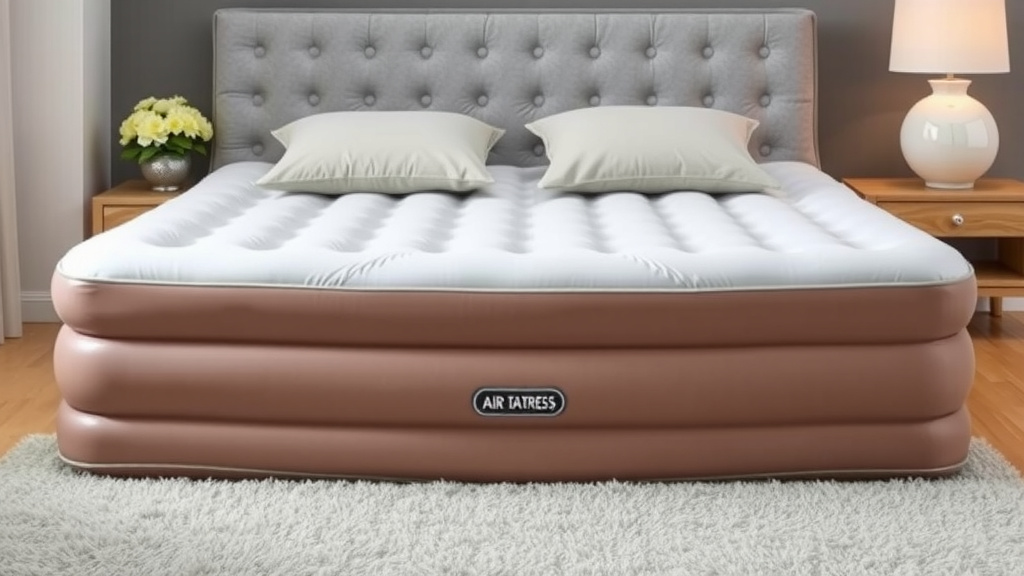
Direct Comparison: Air Bed vs. Memory Foam
Let’s break down how these two types stack up side-by-side in a few key areas. We’ll look at comfort, support, temperature, and suitability for different uses.
| Feature | Air Bed | Memory Foam |
|---|---|---|
| Comfort Feel | Adjustable (firm to soft) | Conforming, cradling, body-hugging |
| Support | Varies with inflation; can sag | Consistent, pressure-relieving, good alignment |
| Temperature | Can feel cooler; less breathable | Can sleep hot (older types), but modern ones are cooler |
| Durability | Varies; material can degrade, leaks possible | Generally high; resistant to sagging |
| Best For | Temporary use, guest rooms, adjustability, portability | Everyday sleeping, back pain relief, consistent comfort |
Which One is Better for Your Sleep?
If your priority is consistent, long-term comfort and support for your primary bed, memory foam is likely the better choice. Its ability to cradle your body and maintain spinal alignment is hard to beat. It offers a stable and reliable sleep surface night after night.
An air bed shines when you need flexibility. For occasional guests or a temporary setup, it’s a practical option. The ability to adjust firmness is its superpower. However, for daily, restorative sleep, it might not offer the same level of sustained comfort and support as memory foam. Many users find that continuous adjustment is needed to maintain optimal firmness, which can disrupt sleep.
Making Your Final Decision
Think about how and when you’ll use the mattress. Do you need something that can be packed away easily? An air bed is fantastic for this. Are you looking for a mattress that will provide relief for your back and hips every single night? Memory foam often fits this bill perfectly.
Key Considerations for Your Choice
Here are a few quick things to keep in mind as you decide:
- Your Primary Sleeping Needs: Will this be your main bed or a spare?
- Comfort Preferences: Do you like to feel cradled or prefer a firmer, more even surface?
- Budget: Prices can vary widely for both types.
- Ease of Use: How important is simple setup and storage?
- Partners’ Needs: If sharing, consider adjustable options or consistent comfort.
Ultimately, the “comfier” mattress is the one that meets your specific needs best. While air beds offer amazing adjustability, memory foam often wins for consistent, deep comfort over the long haul. We found that for everyday sleeping, the body-contouring nature of memory foam offers a superior sleep experience for most people.
Conclusion
When weighing an air bed against a memory foam mattress, your personal sleep needs are the deciding factor. For consistent, long-term comfort and excellent spinal support night after night, memory foam generally takes the lead. Its ability to contour to your body offers reliable pressure relief for everyday sleeping. If you need flexibility for guests or temporary use, an air bed’s adjustable firmness is a fantastic feature. However, for the best daily restorative sleep, memory foam often provides a more stable and comfortable foundation. Consider your primary use and comfort preferences to make the choice that’s right for your best night’s sleep.
Frequently Asked Questions
Can an air bed really replace a memory foam mattress for daily use?
While air beds offer customizable firmness, they are typically best for temporary use. Our research found that they can sometimes sag over time and may require regular air top-ups. For consistent support and comfort every night, memory foam is generally a better long-term solution.
Will memory foam make me too hot?
Older memory foam models were known to trap heat, but modern advancements have addressed this. Many memory foam mattresses now include cooling gels, open-cell designs, or breathable covers to help regulate temperature. You can find memory foam that sleeps much cooler than you might expect.
How long does an air mattress typically last?
The lifespan of an air bed can vary, but they may not be as durable as memory foam. The material can degrade over time, and leaks are always a possibility. For frequent use, you might find yourself needing to replace it sooner than a memory foam mattress.
Is memory foam good for back pain?
Yes, memory foam is often recommended for people with back pain. We found that its ability to conform to your body helps keep your spine in neutral alignment. This even weight distribution can reduce pressure points and alleviate discomfort.
What’s the main advantage of an air bed over memory foam?
The biggest advantage of an air bed is its adjustable firmness. You can easily add or release air to suit your preference for the night or for different sleepers. This makes them incredibly versatile for temporary sleeping arrangements or if you often have guests with varying comfort needs.