Air Bed vs Memory Foam Mattress: Compared
Choosing between an air bed and a memory foam mattress depends on your needs. Air beds offer adjustable firmness and are great for temporary use. Memory foam mattresses provide superior comfort and pressure relief for long-term sleeping. For most people seeking a dedicated sleep solution, memory foam is the better choice.
We’ve looked at both options and found that while air beds are convenient for guests or camping, they often lack the support and durability of memory foam. Memory foam mattresses conform to your body, which many find leads to a more restful night’s sleep.
- Air beds are adjustable and portable.
- Memory foam offers lasting comfort and support.
- Memory foam is generally better for everyday use.
- Air beds can lose air over time.
Let’s break down the key differences to help you decide which type of mattress is best for your situation. We’ll cover everything from setup to long-term satisfaction.
Air Mattress vs. Memory Foam: Which Bed is Right for You?
So, you’re in the market for a new mattress, and you’ve stumbled upon two very different options: air beds and memory foam. It’s a common dilemma! We’ve looked into what makes each of these sleeping surfaces unique. This guide will help you navigate the pros and cons of air mattresses and memory foam so you can make an informed decision about your sleep.
Understanding Air Beds: The Adjustable Sleep Option
An air bed is essentially a sturdy bag that you inflate with air to a desired firmness. Think of it like a modern-day waterbed, but with air. They’ve come a long way from the flimsy camping mats of yesteryear. Today’s air mattresses can be quite comfortable and supportive for short-term use.
How Air Beds Work and Their Benefits
The primary feature of an air bed is its adjustability. You can control the firmness by adding or releasing air. This is a huge plus if you have different sleeping preferences or need to accommodate various guests.
- Adjustable Firmness: You can tailor the comfort level to your liking. A little more air for a firmer feel, or less for a softer surface.
- Portability: Most air beds deflate and fold down easily. This makes them excellent for travel, camping, or temporary guest sleeping arrangements.
- Quick Setup: Many come with built-in pumps that inflate the mattress in just a few minutes.
The Downsides of Air Beds
While convenient, air beds aren’t typically designed for everyday, long-term use. They can lose air over time, leading to a less supportive sleep. Plus, the materials might not offer the same level of pressure relief as other mattress types.
- Air Loss: Even with high-quality models, some air loss can occur over time. This means you might need to top them up periodically.
- Durability Concerns: Punctures and tears are a real risk. While durable options exist, they can still be susceptible to damage.
- Motion Transfer: If you share your bed, you might feel your partner’s movements more readily on an air mattress.
Exploring Memory Foam: The Comfort Contender
Memory foam mattresses are made from a material called viscoelastic foam. This unique material responds to your body heat and weight. It contours to your shape, offering exceptional support and comfort. This is why memory foam has become a popular choice for main mattresses.
The Advantages of Memory Foam
Memory foam is celebrated for its ability to cradle your body. It distributes your weight evenly, reducing pressure points. This can lead to a more comfortable and uninterrupted night’s sleep. Many people find relief from aches and pains with memory foam.
- Superior Comfort: The foam molds to your body, providing a personalized sleeping surface.
- Excellent Pressure Relief: It absorbs and distributes body weight, easing pressure on hips, shoulders, and back.
- Motion Isolation: If you sleep with a partner, you’ll likely appreciate how well memory foam absorbs movement.
- Durability: High-density memory foam mattresses are built to last for many years.
What to Consider with Memory Foam
While fantastic, memory foam isn’t perfect for everyone. Some people find that it can retain body heat, making it feel warmer than other mattress types. Also, the initial off-gassing smell can be noticeable for a few days.
- Heat Retention: Traditional memory foam can trap heat. Newer models often include cooling gels or open-cell structures to combat this.
- Off-Gassing: When you first unpack a memory foam mattress, it might have a chemical odor. This smell usually dissipates within 24-72 hours (EPA).
- Initial Firmness: Some users find memory foam feels very firm at first until it warms up to body temperature.
Key Differences at a Glance: Air Bed vs. Memory Foam
To make it super clear, let’s put the main differences side-by-side. Think about what matters most for your sleep situation.
| Feature | Air Bed | Memory Foam Mattress |
|---|---|---|
| Primary Use | Temporary, guests, camping | Everyday, long-term sleep |
| Adjustability | High (firmness adjustable) | Low (firmness fixed) |
| Comfort Level | Varies, can be good short-term | High, personalized contouring |
| Durability | Moderate, risk of punctures | High, long lifespan |
| Portability | High (deflates easily) | Low (heavy, doesn’t fold) |
| Cost | Generally lower | Wide range, often higher |
When to Choose an Air Bed
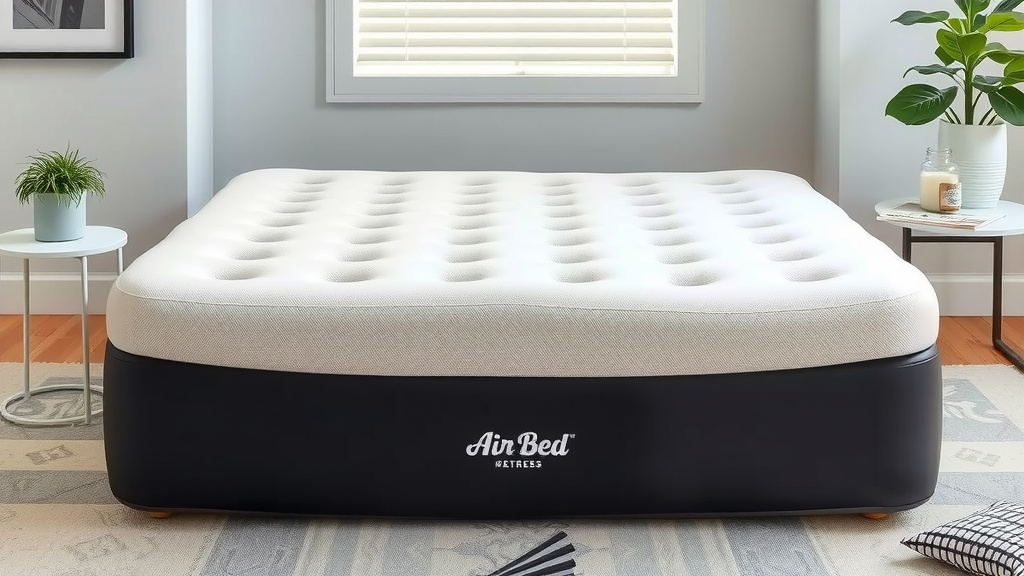
An air bed shines when you need flexibility. Are you expecting overnight guests but don’t have a spare room? An air bed is a perfect solution. It’s also ideal for camping trips where you need a comfortable sleeping surface off the ground. If you move frequently, the ease of deflation and transport is a big win. Many parents also use them for sleepovers or temporary bedding.
When Memory Foam is the Clear Winner
If you’re looking for a mattress to sleep on every single night, memory foam is generally the superior choice. Its ability to provide consistent support and pressure relief is unmatched for daily use. People with back pain or joint issues often report significant improvements with memory foam. It offers a stable, comfortable base that promotes deep, restorative sleep.
Making Your Final Decision: A Quick Checklist
Still on the fence? Ask yourself these quick questions. Your answers will guide you to the right mattress type.
- Do you need a mattress for daily use or occasional guests?
- How important is adjustable firmness to you?
- Are you concerned about heat retention during sleep?
- Do you prioritize portability and easy storage?
- What is your budget for a new mattress?
- Do you suffer from back or joint pain that needs extra support?
Conclusion
Ultimately, your best sleep solution comes down to your specific needs. Air beds offer unmatched flexibility for temporary use, guests, or travel, letting you adjust firmness on demand. But for consistent, everyday comfort and support that lasts, memory foam is your clear winner. It cradles your body, relieves pressure, and provides a stable foundation for truly restorative sleep. Consider how you’ll use your mattress most often. If it’s for nightly rest and pain relief, memory foam is the way to go. If you need a convenient, portable option for occasional needs, an air bed fits the bill.
Frequently Asked Questions
Can an air mattress be used as a permanent mattress?
While some high-quality air beds can offer decent comfort for short periods, they are generally not designed for permanent, daily use. They may require regular inflation and can lack the long-term durability and consistent support that a memory foam mattress provides for everyday sleeping.
Does memory foam sleep hot?
Traditional memory foam can sometimes trap body heat. However, many modern memory foam mattresses incorporate cooling technologies like gel infusions or open-cell designs to dissipate heat and provide a more comfortable sleep temperature. If you sleep hot, look for these advanced features.
How long does a memory foam mattress typically last?
A good quality, high-density memory foam mattress can last between 7 to 15 years, sometimes even longer, with proper care. Their durable construction means they maintain their supportive qualities for a significant portion of their lifespan.
What happens if an air mattress gets a small leak?
A small leak in an air mattress will cause it to gradually lose air, leading to a softer or deflated surface over time. You will likely need to re-inflate it periodically to maintain the desired firmness. For minor punctures, repair kits are often available.
Is memory foam better for back pain than an air bed?
For chronic back pain, memory foam mattresses are generally considered a better choice. Their ability to contour to your body and evenly distribute weight provides superior spinal alignment and pressure relief compared to the variable support of an air bed.