What Is a Truck Bed? Complete Guide
A truck bed is the open cargo area at the rear of a pickup truck, designed for hauling goods and equipment. It’s essentially the truck’s workspace, ready for everything from groceries to landscaping supplies. This is the main area where you’ll load and transport your items.
Think of your truck bed as the workhorse of your vehicle. Its sturdy construction can handle a lot. Many truck beds come with different features and materials to suit your hauling needs, from basic utility to more rugged options for tough jobs.
- The truck bed is the open cargo space behind a pickup truck’s cab.
- It’s built for hauling various items, from personal gear to work supplies.
- Truck beds vary in size and features depending on the truck model.
- They are a key part of a pickup truck’s utility and versatility.
We’ve put together this guide to help you understand everything about truck beds, from their basic function to how to best use and care for yours.
Understanding Your Pickup Truck’s Bed
Your pickup truck’s bed is more than just a metal box. It’s the heart of your truck’s utility. This open space is designed to carry just about anything you can throw at it. From weekend projects to daily commutes, it’s your go-to for hauling.
Key Components and Design Features
Let’s break down what makes up a truck bed. Knowing these parts helps you understand its strength and limitations. It also helps when you’re thinking about accessories or repairs.
The Bed Floor
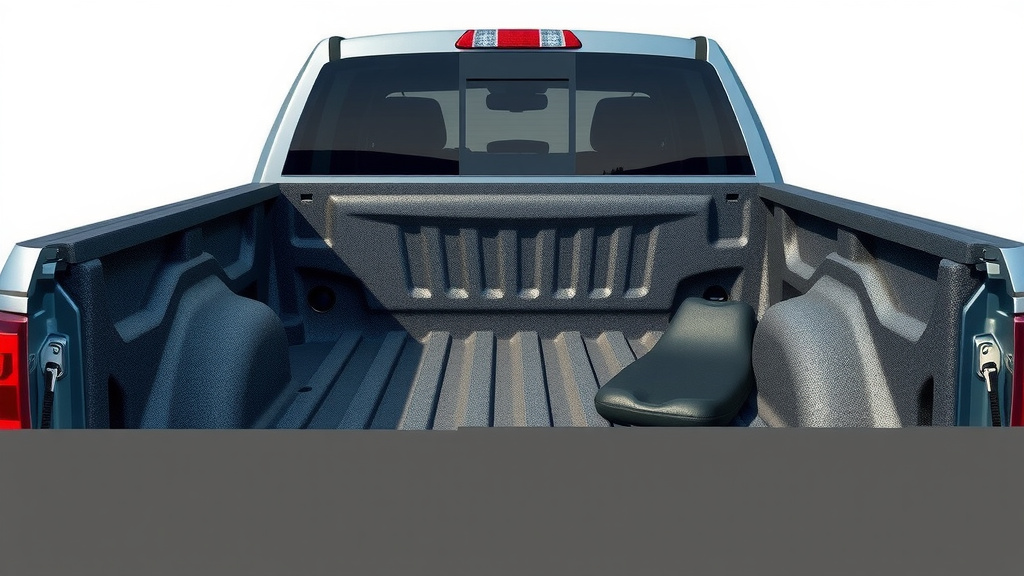
This is the main surface where you place your cargo. Most bed floors are made of steel for durability. Some newer trucks might offer aluminum floors. These are lighter but can still handle heavy loads.
The Bed Walls and Tailgate
These vertical sections surround the bed floor. They help keep your cargo contained. The tailgate is the hinged rear door. It drops down to create a ramp for easier loading. Some tailgates offer extra features, like steps or multi-function designs.
Wheel Wells
You’ll notice raised sections inside the bed. These are the wheel wells, covering the truck’s rear wheels. They take up some space but are a necessary part of the truck’s structure. You can find accessories to help maximize this space.
Common Truck Bed Styles and Sizes
Truck beds aren’t one-size-fits-all. They come in different lengths and designs to match your truck and your needs. This variety ensures you get the right truck for your hauling tasks.
Bed Lengths
The length of the bed is a primary consideration. Common lengths range from short beds to long beds. A short bed is typically around 5.5 to 6 feet. A long bed can be 8 feet or more. The standard bed size usually falls between these.
Choosing the right length depends on what you plan to haul. Need to fit a motorcycle? You’ll likely want a longer bed. Just hauling groceries? A shorter bed might be fine. Measure carefully before you buy.
Truck Bed Construction Materials
The material impacts weight, durability, and cost. Most truck beds are made from steel. Steel is tough and can withstand a lot of abuse. It’s also relatively easy to repair if it gets dented or scratched.
Some manufacturers use aluminum in their truck beds. Aluminum is lighter than steel, which can improve fuel efficiency. It’s also very resistant to rust. However, aluminum can be more expensive and sometimes harder to repair.
Bed Types
Beyond standard beds, you might encounter specialized types. Fleetside beds are the most common. Their exterior walls are smooth and flush with the rest of the truck. This gives a cleaner look.
Stepside beds (or flareside beds) have fenders that stick out from the bed walls. They have a more traditional look. These can offer slightly more bed width in some areas but might make loading wider items a bit trickier.
Protecting Your Truck Bed
Your truck bed works hard, so giving it some protection is a smart move. This keeps it looking good and prevents damage. It also makes loading and unloading easier and safer.
Bed Liners
A bed liner is a must-have for many truck owners. Liners protect the bed floor and walls from scratches, dents, and rust. They also provide some grip, preventing items from sliding around.
- Drop-in liners are pre-molded plastic pieces. They fit into the bed and are easy to install. They offer good protection against impacts.
- Spray-in liners are applied directly to the bed surface. They form a tough, textured coating. These are often considered more durable and provide a better seal against moisture.
Tonneau Covers and Truck Caps
These accessories cover the top of the truck bed. They offer protection from the elements like rain and sun. They also add security for your cargo.
- Tonneau covers are typically soft or hard panels that fold or roll up. They offer a sleek look and easy access.
- Truck caps (or camper shells) are hard covers that extend over the bed. They often include windows and can provide more enclosed storage space.
Checklist for Truck Bed Care and Protection
Taking care of your truck bed doesn’t have to be a chore. Here’s a quick checklist to keep it in top shape:
- Install a bed liner to prevent scratches and dents.
- Consider a tonneau cover or truck cap for weather protection.
- Regularly clean out debris and dirt.
- Check for any rust spots, especially around seams or damage.
- Address any dents or damage promptly to prevent further issues.
- Use tie-downs to secure your load properly.
Maximizing Your Truck Bed’s Functionality
Your truck bed is a versatile tool. With the right accessories, you can make it even more useful for specific tasks. Think about what you do most with your truck.
Cargo Management Systems
These systems help organize your gear. They can include bed dividers, cargo nets, and toolboxes. These keep items from shifting around during transit. This is especially helpful if you carry a lot of smaller items.
Towing and Hauling Considerations
While the bed is for cargo, it’s also linked to towing. Ensure your truck’s bed design doesn’t interfere with your trailer hitch. Many fifth-wheel hitches are mounted in the bed itself. Knowing these limitations is key for safe towing.
Weight Limits
Every truck bed has a payload capacity. This is the maximum weight it can safely carry. Exceeding this limit can damage your truck and be dangerous. Check your owner’s manual for your specific truck’s limits. Overloading can lead to suspension problems and tire blowouts, according to many automotive safety guidelines.
Conclusion
You now have a solid grasp of what your truck bed is all about. We’ve covered its basic function, its essential parts like the floor and tailgate, and the different styles and materials available. Protecting your bed with liners and covers can extend its life. Plus, you know how to manage cargo and respect weight limits for safe hauling.
Take a moment to assess your truck bed’s current condition. Consider which protective accessories or cargo management systems would best suit your hauling needs. A little care and the right setup can make your truck bed an even more reliable workhorse for years to come.
Frequently Asked Questions
What’s the difference between a fleetside and a stepside truck bed?
A fleetside bed has smooth exterior walls that are flush with the truck’s body for a cleaner look. A stepside bed, sometimes called a flareside, has fenders that stick out from the bed walls, giving it a more classic appearance.
How do I know what size truck bed I have?
Truck bed sizes are generally referred to by their length, measured from the tailgate to the back of the cab. Common lengths are short (around 5.5-6 feet), standard (around 6.5 feet), and long (8 feet or more). You can usually find the exact measurement in your truck’s owner’s manual or by measuring it yourself.
Are spray-in or drop-in bed liners better?
Both offer good protection, but they have different strengths. Drop-in liners are easy to install and protect well against impacts. Spray-in liners create a seamless, textured surface that’s often more durable and offers better resistance to moisture and slipping.
Can I haul heavy equipment in my truck bed?
You can haul heavy equipment, but you must stay within your truck bed’s payload capacity. Always check your owner’s manual for the specific weight limit your truck can safely carry. Overloading can cause serious damage and create a safety hazard.
What does “payload capacity” mean for a truck bed?
Payload capacity is the maximum weight your truck’s bed and suspension system can safely handle. This includes the weight of any cargo you haul. Exceeding this limit can stress your truck’s components and lead to accidents.