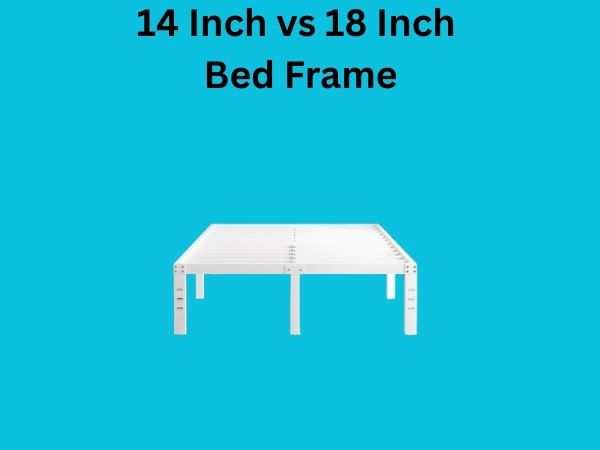
14 Inch vs 18 Inch Bed Frame: Height, Storage & Style Compared
When you’re shopping for a new bed frame, you might think the difference between a 14-inch and an 18-inch model is just a few inches. But here’s the thing—those extra inches can dramatically change your entire bedroom experience. I’m talking about everything from how easy it is to get out of bed in the morning to how much storage space you have underneath to the overall aesthetic of your room.
Let me walk you through what you need to consider when choosing between these two popular bed frame heights. By the end of this guide, you’ll have a clear understanding of which option works best for your lifestyle, your bedroom layout, and your personal preferences.
Understanding Bed Frame Heights: Why It Matters
Before we dive into the specifics, let’s talk about why bed frame height actually matters. Your bed isn’t just a place to sleep—it’s a focal point in your bedroom, and its height affects your daily comfort, accessibility, and the functionality of your entire sleeping space.
Think of your bed frame like the foundation of a house. If the foundation isn’t right, everything else feels off. The same applies to bed frames. The height you choose influences how you interact with your bed multiple times throughout the day.
What Do These Measurements Actually Mean?
When manufacturers talk about a 14-inch or 18-inch bed frame, they’re referring to the height from the floor to the top of the mattress when it’s fully assembled. This measurement is crucial because it determines your knee-to-floor distance when you’re sitting on the edge of the bed—an important ergonomic factor that most people overlook.
The 14-Inch Bed Frame: A Closer Look
A 14-inch bed frame sits lower to the ground, which creates a distinctly different bedroom aesthetic. It’s closer to what you’d find in contemporary or minimalist bedroom designs, where everything feels grounded and intimate.
Height and Accessibility of the 14-Inch Frame
The 14-inch frame brings your sleeping surface closer to the floor. If you’re petite, elderly, have mobility issues, or prefer a cozier bedroom feel, this height can actually be advantageous. Getting into and out of bed requires less effort, and there’s a certain Japanese-inspired, low-profile charm to this setup.
However, if you’re tall or have back problems, you might find yourself straining to get up from such a low bed. Imagine having to nearly squat to get out of bed every morning—that’s not ideal for everyone.
Storage Solutions with 14-Inch Frames
Here’s where the 14-inch frame shows its limitations. With only 14 inches of clearance between the floor and your mattress, you’re looking at severely restricted storage options underneath. Most standard storage bins won’t fit, and you’ll need specialized, flat containers designed specifically for low-profile bed frames.
- Limited space for storage containers
- Difficult to access items stored underneath
- Less airflow circulation beneath the bed
- Harder to clean under the bed
- May collect dust more easily
Aesthetic Appeal of the 14-Inch Option
Aesthetically, the 14-inch bed frame creates a grounded, intimate atmosphere. It works beautifully in modern minimalist bedrooms, Japanese-inspired spaces, and contemporary designs. Your room feels smaller in a way that can be cozy and womb-like rather than cramped.
The 18-Inch Bed Frame: A Detailed Examination
An 18-inch bed frame sits higher off the ground, creating more of a traditional bedroom aesthetic. This height is closer to what most hotel beds offer, which might explain why many people find them comfortable and familiar.
Height and Accessibility of the 18-Inch Frame
With an 18-inch frame, getting into and out of bed feels more natural for most adults. Your knees bend at a more comfortable angle when you’re sitting on the edge, and standing up requires less muscular effort. This is particularly important if you have knee problems, arthritis, or simply want easier bed access throughout the day.
The extra four inches might not sound like much, but biomechanically, it makes a significant difference. Most people find the 18-inch height to be the sweet spot—not too low, not too high.
Storage Advantages with 18-Inch Frames
This is where the 18-inch frame really shines. With four additional inches of clearance, you suddenly have serious storage potential. You can fit standard plastic storage bins, wooden storage boxes, or even shallow drawers underneath your bed frame.
- Ample space for standard storage containers
- Easy access to stored items
- Better airflow circulation
- Simpler to clean underneath
- Can accommodate under-bed storage drawers
For people living in smaller spaces—apartments, dorm rooms, or cozy homes—this storage advantage is absolutely game-changing. You’re essentially creating an entire additional storage area without taking up any extra floor space.
Visual Impact of the 18-Inch Frame
An 18-inch bed frame commands more presence in a room. It looks more substantial, more like a traditional bed, and works with almost any interior design style. Your bedroom automatically feels more formal, more established, and more conventionally furnished.
Comfort Comparison: Which Height Feels Better?
Comfort is subjective, but there are some universal principles at play here. When you sit on the edge of your bed with your feet flat on the floor, your knees should bend at approximately a 90-degree angle. For most adults of average height (around 5’4″ to 5’10”), an 18-inch frame achieves this ideal positioning better than a 14-inch frame.
However, if you’re on the shorter side or prefer a lower, more intimate sleeping position, the 14-inch frame might feel more comfortable to you. The key is understanding your own body mechanics and sleep preferences.
Getting In and Out of Bed
This sounds simple, but think about how many times you get in and out of bed every single day. You do it when you wake up, when you go to bed at night, and potentially several times during the night if you’re restless. Over a year, that’s thousands of repetitions.
With an 18-inch frame, these movements feel effortless and natural. With a 14-inch frame, you’re bending more, potentially straining your knees and lower back. Multiply that by hundreds of times per month, and you can see how this could impact your overall comfort and even your health.
Storage and Organization: A Critical Factor
Let’s talk about something that often gets overlooked in bed frame discussions: practical storage. Modern bedrooms, especially in urban areas, are getting smaller. Every square foot of storage counts.
Under-Bed Storage Potential
The 18-inch frame opens up genuine under-bed storage possibilities. You could store seasonal clothing, extra bedding, shoes, or anything else that doesn’t need frequent access. This is particularly valuable if your bedroom lacks closet space or if you need to maximize your storage efficiency.
With a 14-inch frame, you’re essentially wasting that potential storage area because most standard storage containers won’t fit. You’d need to purchase specialized, expensive low-profile containers, which defeats the purpose of saving money and space.
Accessibility and Maintenance
Beyond just fitting things under your bed, the 18-inch frame makes it easy to access what you’ve stored. You can easily slide containers in and out without lying on the floor or struggling to reach items. The higher clearance also makes cleaning underneath your bed much less of a contortion exercise.
Design and Bedroom Aesthetics
Your bed frame is often the largest piece of furniture in your bedroom, so it significantly impacts the room’s overall aesthetic. Let’s explore how each height choice affects your design options.
Modern and Minimalist Designs
If you’re going for a contemporary, minimalist aesthetic with clean lines and a grounded feel, the 14-inch frame is your ally. It creates a low-profile, sophisticated look that pairs beautifully with simple bedding, neutral colors, and uncomplicated furniture pieces.
Traditional and Classic Designs
The 18-inch frame works better with traditional bedroom designs. It pairs well with upholstered headboards, decorative bedding, nightstands, and classic furniture arrangements. It simply looks more like a “normal” bed, which is exactly what some people want.
Mid-Century Modern and Eclectic Styles
Both heights can work here, but the 18-inch frame gives you more flexibility because it’s the more universally accepted height. You can mix and match it with various design elements without it looking out of place.
Mattress Compatibility and Thickness
Here’s something many people don’t consider: your mattress thickness affects the overall height equation. A plush, thick mattress (12-14 inches) will raise your sitting surface considerably compared to a thinner mattress (8-10 inches).
So if you have a 14-inch frame with a 12-inch mattress, you’re looking at around 26 inches total—pretty high. Conversely, an 18-inch frame with a thin mattress might only reach 26-27 inches. The mattress you choose plays a significant role in the final height equation.
Price Considerations and Value
Generally speaking, 14-inch bed frames are slightly less expensive than 18-inch models because they require less material. However, the price difference is usually minimal—often just a few dollars or tens of dollars, depending on the brand and quality.
When you consider the storage advantages and comfort benefits of the 18-inch frame, the slightly higher price often represents better value. You’re getting more functionality for a modest additional investment.
Who Should Choose the 14-Inch Frame?
The 14-inch frame is ideal for specific situations and preferences:
- People who prefer a modern, minimalist aesthetic
- Individuals of shorter stature who find high beds awkward
- Those with Japanese-inspired or contemporary design preferences
- People who don’t need under-bed storage
- Anyone seeking a low-profile, intimate bedroom feel
- Children and teenagers who might need easier bed access
Who Should Choose the 18-Inch Frame?
The 18-inch frame is better suited for most people and situations:
- Adults of average to tall height
- People with joint pain, mobility issues, or arthritis
- Those who need under-bed storage space
- Anyone living in small spaces with limited storage
- People who prefer traditional bedroom aesthetics
- Individuals seeking a bed that works with most design styles
- Anyone who dislikes having to struggle getting out of bed
Space Planning: How Your Room Size Matters
Your bedroom’s square footage should influence your decision. In tiny bedrooms, the lower profile of a 14-inch frame creates an illusion of more space because the room feels less cluttered visually. However, the storage disadvantage might outweigh this benefit.
In larger bedrooms, the 18-inch frame doesn’t dominate the space as much, and you benefit fully from its storage and comfort advantages without sacrificing aesthetics.
Making Your Final Decision: Key Questions to Ask
Before you purchase, ask yourself these questions:
- What’s your height and do you have any mobility concerns?
- How much under-bed storage do you actually need?
- What’s your bedroom’s design style and aesthetic?
- How many times do you get in and out of bed daily?
- Do you have back, knee, or other joint issues?
- What’s your mattress thickness?
- How small or large is your bedroom?
Conclusion
Choosing between a 14-inch and 18-inch bed frame isn’t just about picking a random measurement—it’s about understanding your lifestyle, your body’s ergonomic needs, and your bedroom’s functional requirements. The 14-inch frame offers a sophisticated, grounded aesthetic perfect for minimalist designs and smaller individuals, but it sacrifices storage potential and may compromise accessibility for average-height adults. The 18-inch frame, while slightly more expensive, provides superior comfort for most people, significant storage advantages, and versatility that works with virtually any design style.
For the majority of adults living in modern homes, the 18-inch bed frame represents the better overall choice. It’s the Goldilocks option—not too high, not too low, just right for comfort, accessibility, and functionality. However, if you’re specifically drawn to a minimalist aesthetic or you’re of shorter stature, the 14-inch frame could be your perfect match. The best bed frame is the one that makes you comfortable every single night and works with your lifestyle and space.
Frequently Asked Questions
Can I add risers to a 14-inch bed frame to make it taller?
Yes, absolutely. You can purchase bed risers that lift your bed frame an additional 5-8 inches. This gives you the storage benefits of a taller frame while keeping your original bed. However, you’ll need to ensure your frame is sturdy enough to support the additional height, and you should choose quality risers to maintain stability.
What’s the actual difference in storage space between 14 and 18-inch frames?
The 14-inch frame limits you to very shallow storage containers (usually 4-6 inches deep), while the 18-inch frame accommodates standard storage bins that are 12-15 inches deep. This means you could store roughly two to three times the volume of items under an 18-inch frame compared to a 14-inch frame. For a queen-size bed, that’s potentially 20+ cubic feet of additional storage.
Does bed frame height affect your sleep quality?
Not directly. Sleep quality is more influenced by mattress quality, bedroom temperature, and darkness. However, if a bed frame height causes you discomfort getting in and out of bed or creates stress on your joints, it could indirectly affect sleep quality by causing pain or anxiety about bedtime.
Are there other standard bed frame heights I should consider?
Yes. Standard heights typically range from 12 inches (very low, platform-style) to 24 inches (higher, often with storage drawers built in). Some luxury frames go even higher. However, 14 and 18 inches represent the most popular middle-ground options that balance comfort, aesthetics, and functionality.
How do I know if a bed frame will fit my mattress?
Most bed frames are designed to accommodate standard mattress thicknesses. When shopping, look for the frame’s specifications about mattress compatibility. Generally, frames accept mattresses from 8 to 14 inches thick. Always verify your mattress dimensions and thickness match the frame specifications before purchasing to avoid compatibility issues.
“`