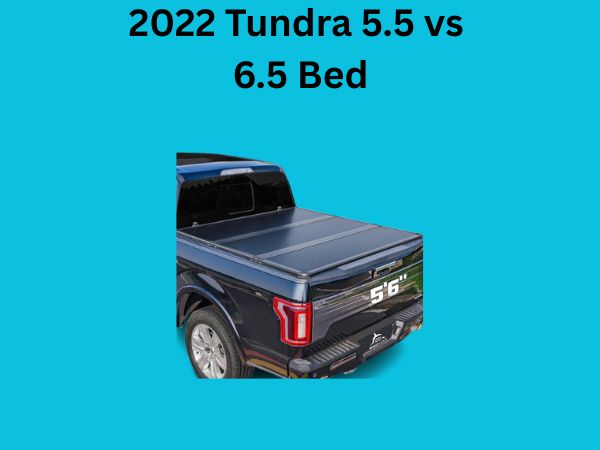
2022 Tundra 5.5 vs 6.5 Bed: Which Truck Bed Is Better?
When you’re shopping for a new 2022 Toyota Tundra, one of the biggest decisions you’ll face isn’t about the engine or the color—it’s about something that might seem simpler but actually impacts your daily life significantly: the bed size. Should you go with the 5.5-foot bed or stretch up to the 6.5-foot option? I know this question might sound straightforward, but trust me, there’s more to consider than just the extra foot of cargo space. Let me walk you through everything you need to know to make the right choice for your lifestyle.
Understanding the Basics: What Makes These Two Bed Sizes Different
Let’s start with the fundamentals. The 2022 Tundra comes with two standard bed configurations, and the difference is literally measured in length. The 5.5-foot bed, sometimes called the short bed, offers 5.5 feet of cargo space from the cab to the tailgate. The 6.5-foot bed, known as the standard bed, gives you exactly one additional foot of cargo area. Sounds simple enough, right? But that extra foot represents more than just numbers on a spec sheet—it changes how the truck handles, how it parks, and what you can realistically haul.
The 5.5-Foot Bed: Compact and Nimble
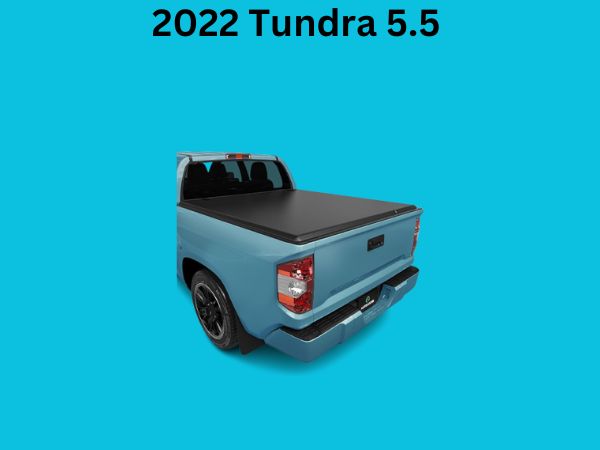
The short bed version is like having a truck that thinks it’s a sedan. It’s more maneuverable, easier to park in tight spaces, and frankly, it looks a bit sportier. If you’re someone who values agility and doesn’t need to transport massive loads regularly, this might be your sweet spot.
The 6.5-Foot Bed: The Traditional Truck Bed
The standard 6.5-foot bed is what most people think of when they picture a full-size truck. It’s the workhorse configuration, offering significantly more cargo capacity while still maintaining reasonable maneuverability for a truck of this size.
Cargo Capacity Comparison: How Much Can Each Bed Hold
Now we’re getting into the practical stuff. The cargo capacity difference between these two beds isn’t just about the extra foot of length—it’s about usable volume and weight distribution.
5.5-Foot Bed Capacity
With the 5.5-foot bed, you’re looking at approximately 54.4 cubic feet of cargo space. This is enough for most residential tasks like transporting building materials, furniture, or recreational equipment. However, if you frequently haul full sheets of plywood or long lumber pieces, you’ll find yourself extending items beyond the bed, which isn’t ideal.
6.5-Foot Bed Capacity
The 6.5-foot bed jumps up to around 63.4 cubic feet of capacity. That might not sound like a massive leap, but when you’re trying to fit standard building materials or long items, that extra foot becomes invaluable. Full-size plywood sheets fit perfectly lengthwise, and longer pipes or lumber don’t stick out dangerously from the tailgate.
Maneuverability and Parking: The Practical Day-to-Day Experience
Here’s where many truck owners make their decision: in parking lots, on job sites, and during everyday driving. The difference between these two beds affects how your truck moves through the world.
Why the 5.5-Foot Bed Wins in Tight Spaces
The 5.5-foot bed creates a more compact overall footprint. The truck is easier to parallel park, simpler to navigate through narrow alleyways, and less intimidating if you’re used to driving regular vehicles. If your daily driving involves urban environments, congested parking garages, or tight job sites, this bed size genuinely makes a difference. You’ll feel the difference when backing up to a loading dock or maneuvering around tight corners. It’s like the difference between driving a midsize car and a full-size sedan—both are large, but one is noticeably easier to toss around.
The 6.5-Foot Bed: Working with the Extra Length
The 6.5-foot bed does require a bit more planning when maneuvering. You need to think ahead before making turns, and backing into tight spaces requires more deliberation. That said, if your work primarily takes place in more open environments—construction sites, rural areas, or open parking lots—this disadvantage practically disappears.
Fuel Economy Considerations
I know this might not be the first thing you think about when choosing a bed size, but the difference in weight between the two configurations does impact your fuel consumption, albeit marginally.
The longer 6.5-foot bed adds approximately 80 to 100 pounds of extra weight to your truck compared to the 5.5-foot version. Over a full year of driving, this translates to a slight decrease in fuel economy—we’re talking about one to two miles per gallon depending on your driving habits. If you’re someone who monitors every penny spent on fuel or racks up serious highway miles, those MPGs matter. The 5.5-foot bed keeps your Tundra just a bit lighter and more efficient.
Towing Capacity: Does Bed Size Matter Here
You might wonder whether your bed choice affects what you can tow. Good news: the towing capacity of the 2022 Tundra remains consistent regardless of which bed you choose. Both configurations are rated for up to 11,000 pounds of towing capacity. The bed size doesn’t limit your towing ability, so if you’re planning to pull a trailer, either option works equally well in terms of raw towing power.
Bed Length and Trailer Considerations
However, there’s a secondary consideration: the extra space in the 6.5-foot bed provides more room to carry additional gear or supplies alongside towing, which is something the shorter bed doesn’t accommodate as easily. If you frequently tow while also needing to transport other cargo, the longer bed becomes more practical.
Real-World Use Cases: Which Bed Suits Different Lifestyles
The best way to decide between these two beds is to honestly assess what you’ll actually do with your truck. Let me break down some common scenarios.
The Urban Professional
If you’re someone who drives your Tundra primarily as a daily vehicle with occasional light-duty hauling, the 5.5-foot bed is your friend. You’ll appreciate the nimbleness when parking at your office, navigating city streets, and fitting into standard parking spaces. You’ll still have plenty of room for a weekend DIY project or a trip to the home improvement store.
The Construction Worker or Contractor
If you’re regularly loading full sheets of materials, long beams, or extensive equipment, the 6.5-foot bed is almost mandatory. You’ll save time, frustration, and potential safety issues by having proper space for materials. The extra length pays for itself in convenience alone.
The Recreational Enthusiast
Are you someone who loads up ATVs, camping gear, kayaks, or fishing equipment regularly? The 6.5-foot bed provides more flexibility for securing diverse cargo types. However, if you’re primarily transporting one item—like a single ATV or motorcycle—the 5.5-foot bed might suffice.
The Light-Duty Hauler
If your hauling needs are occasional and modest—think grocery runs, plant shopping, or transporting items that fit within a standard footprint—the 5.5-foot bed covers your needs admirably. There’s no sense paying for capacity you won’t use.
Resale Value: Does Bed Size Influence Market Appeal
When you eventually decide to part with your Tundra, will your bed choice affect its resale value? The answer is nuanced.
The 6.5-foot bed is traditionally the more popular configuration among buyers, which means it typically attracts a broader audience and maintains value slightly better. It’s the “standard” setup that most people expect from a full-size truck. However, the 5.5-foot bed appeals to a specific segment of buyers—those who value maneuverability and don’t need maximum hauling capacity. In most markets, the value difference is minimal, usually just a few hundred dollars either way depending on local preferences and the condition of the vehicle.
Aesthetic and Design Differences
Let’s talk about how these two beds make your truck look and feel.
The 5.5-Foot Bed Aesthetic
The shorter bed gives the Tundra a more balanced, almost compact appearance. The proportion between the cab and bed looks less extreme, and many people find this more visually appealing. It has a slightly more refined, modern appearance—less “industrial workhorse” and more “capable daily driver.”
The 6.5-Foot Bed Aesthetic
The longer bed emphasizes the truck’s working capability. It looks purposeful and utilitarian, with a stretched-out profile that screams “I’m ready for any job.” If you appreciate the classic truck aesthetic, the 6.5-foot bed delivers that authentic feel.
Price Differences: What Does the Extra Length Cost
Let’s get down to dollars and cents. The 6.5-foot bed typically costs between $300 and $500 more than the 5.5-foot option, depending on your specific Tundra configuration and any package deals. This is a relatively modest premium for the extra cargo space, but it’s worth factoring into your budget decision.
Is that extra foot worth the additional cost? That depends entirely on whether you’ll utilize that space. If you’ll genuinely use the additional 9 cubic feet regularly, the investment pays dividends. If you’ll rarely max out the 5.5-foot capacity, you’re spending money unnecessarily.
Test Drive Insights: What You Should Evaluate Yourself
Reading about these trucks online is helpful, but nothing beats getting behind the wheel. When you’re at the dealership, pay attention to specific things.
Parking Lot Maneuvers
Ask if you can take both configurations for test drives. Pay close attention to how they feel when reversing, how much you need to swing to make turns, and how they fit in standard parking spaces. This tangible experience is more valuable than any specification sheet.
Load Visualization
Try to visualize your typical cargo. Ask the dealer to show you how various items would fit in each bed. Does your common load fit comfortably in the shorter bed, or does it feel cramped? This mental exercise is incredibly clarifying.
Check Rear Visibility
While not a major factor, the bed length slightly affects your sight lines when backing up. Test this in both configurations to see if it bothers you.
Climate and Weather Considerations
You might not immediately think about how weather relates to bed size, but it does. In rainy climates, the longer bed provides more overhang protection for cargo. In windy conditions, the extra length can catch more wind, though the difference is barely perceptible in real-world driving. These are minor factors but worth noting if you live in extreme climates.
Making Your Final Decision: A Practical Framework
Here’s how I’d approach this decision. First, honestly assess your current and anticipated needs over the next five years. What will you actually haul? How often? What size are those items? Second, consider your driving environment. Will you spend time in tight urban spaces or mostly on open roads? Third, think about the financial aspect—is the extra capacity worth the additional cost and slight efficiency loss?
If you’re still torn, remember this: it’s easier to occasionally rent a trailer for major projects than it is to deal with a truck that’s too large for your parking situations. In other words, when in doubt, lean toward the more maneuverable option, especially if you use your truck as a daily driver. You’ll appreciate the agility far more often than you’ll curse the lack of extra space.
Conclusion
The choice between the 2022 Tundra 5.5-foot and 6.5-foot bed ultimately comes down to your specific lifestyle, driving environment, and hauling needs. The 5.5-foot bed excels for those who prioritize maneuverability, daily drivability, and fuel efficiency, making it perfect for urban professionals and light-duty users. The 6.5-foot bed shines for contractors, construction workers, and anyone who regularly transports full-size materials and needs maximum cargo flexibility.
Neither choice is objectively wrong—they’re simply different solutions for different problems. Take the time to honestly evaluate your needs, test drive both options, and imagine yourself using your truck in real situations. The right choice will feel obvious once you do. Whatever you decide, you’re getting an exceptional full-size truck with the legendary Tundra reliability and capability. The bed size is just one of many features that will serve you well for years to come.
Frequently Asked Questions
Can I easily switch between a 5.5-foot and 6.5-foot bed on my 2022 Tundra after purchase?
While technically possible, swapping truck beds is an expensive and complex procedure that typically costs $3,000 to $5,000 or more, depending on your location and the condition of both beds. It’s not something most owners do casually. This is why making the right choice upfront is important. Unless you have a very specific reason to change, it’s best to decide correctly before purchasing your truck.
Does the 6.5-foot bed significantly impact my truck’s acceleration or performance?
The weight difference between the two beds is minimal—roughly 80 to 100 pounds. This is negligible compared to your truck’s overall weight and payload capacity. You won’t notice any meaningful difference in acceleration, braking, or handling performance between the two configurations. Any performance difference would be imperceptible in real-world driving.
Which bed size is better for camping and outdoor adventures?
This depends on your camping style. If you use a truck bed camper or tonneau cover, either size works well. However, the 6.5-foot bed provides more flexibility for securing multiple items like kayaks, fishing gear, camping equipment, and coolers simultaneously. The 5.5-foot bed requires more careful packing and organization. For serious outdoor enthusiasts, the 6.5-foot bed typically offers more convenience.
Is the 5.5-foot bed considered too small for a full-size truck like the Tundra?
Not at all. The 5.5-foot bed is a legitimate, factory-standard option for the Tundra and perfectly adequate for most everyday uses. It’s not a compromise option—it’s a thoughtful choice for owners who prioritize maneuverability and daily driving ease. Many satisfied Tundra owners choose this configuration and have no regrets about it.
How do I know if my typical loads will fit in a 5.5-foot bed?
A good rule of thumb: if you frequently transport full sheets of plywood, drywall, long lumber, or similar full-size materials, you’ll benefit from the 6.5-foot bed. If your cargo typically consists of pre-cut items, boxes, equipment, or individual pieces, the 5.5-foot bed usually suffices. Visit a dealership and ask to see items in both beds to visualize how your typical loads would fit.
“`
—
## **Outline