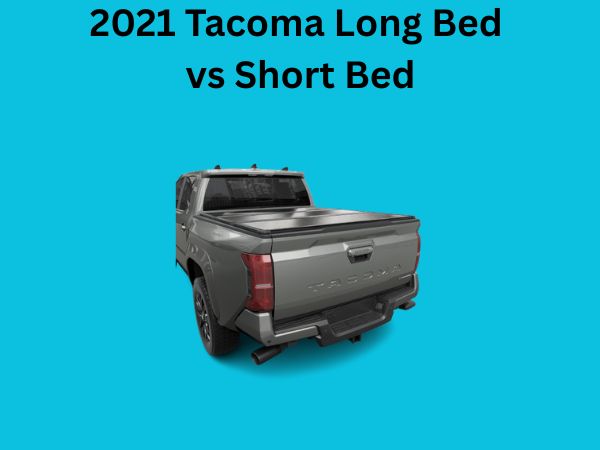
2021 Tacoma Long Bed vs Short Bed: What’s the Difference?
When you’re in the market for a 2021 Toyota Tacoma, one of the first decisions you’ll need to make is whether to go with a long bed or a short bed configuration. It’s kind of like choosing between a spacious house and a cozy apartment—both have their merits, but which one suits your lifestyle better? This choice can significantly impact how you use your truck, from hauling cargo to navigating tight parking spaces. Let me walk you through everything you need to know to make an informed decision.
Understanding Truck Bed Basics
Before we dive into the specifics of the 2021 Tacoma, let’s talk about what truck beds actually are. Your truck bed is that open cargo area in the back where you load everything from building materials to camping gear. Think of it as your truck’s main selling point if you’re someone who regularly needs to haul things around. The bed length directly affects how much stuff you can carry and how the truck handles on the road.
What Makes Bed Length Important?
Bed length isn’t just a number on a spec sheet—it affects your daily driving experience. A longer bed means more cargo space but potentially more difficulty parking. A shorter bed gives you better maneuverability but sacrifices some hauling capacity. It’s all about finding that sweet spot between what you need and what you can practically work with.
The 2021 Tacoma Short Bed Explained
Let’s start with the short bed option, which measures 60 inches or 5 feet in length. This is the more compact choice, and honestly, it’s become increasingly popular among truck owners in recent years. Why? Because many people realize they don’t actually need a massive bed for their everyday needs.
Dimensions and Specifications of the Short Bed
The 2021 Tacoma short bed comes in at exactly 60 inches from the inside of the cab to the tailgate. This configuration gives your truck an overall length of approximately 212 inches, making it considerably easier to maneuver than its longer counterpart. The short bed typically has a width of about 60 inches as well, which is standard across all Tacoma models.
Cargo Capacity Details
Here’s where things get practical. The short bed can hold about 1,620 pounds of payload capacity, depending on which trim level and drivetrain you choose. That might sound like a lot, but you’ll need to factor in your own weight plus any passengers when calculating what you can actually load back there.
Advantages of the Short Bed
- Better parking and maneuverability in tight urban spaces
- Easier to navigate through narrow alleys and garages
- Improved fuel economy due to reduced weight and aerodynamic drag
- Shorter overall wheelbase provides snappier handling
- Lower purchase price compared to long bed models
- Better visibility when reversing without a spotter
- Easier to access items in the bed without a step stool
Disadvantages of the Short Bed
Of course, nothing comes without trade-offs. The short bed limits your hauling capacity for larger projects. If you regularly need to transport 8-foot lumber, for example, you’ll find yourself dealing with overhang, which isn’t ideal. You’ll also have less flexibility when organizing multiple items in your bed. And if you’re someone who likes to load up your truck for extended camping trips, you might find yourself wishing you had more space.
The 2021 Tacoma Long Bed Breakdown
Now let’s talk about the long bed option, which measures 77 inches or about 6.5 feet. This is the traditional truck bed size that people often picture when they think about pickup trucks. It’s designed for serious haulers and anyone who needs maximum cargo capacity.
Dimensions and Specifications of the Long Bed
The 2021 Tacoma long bed stretches 77 inches in length, giving you significantly more loadable space than the short bed. The overall truck length comes in at around 229 inches, which is a solid 17 inches longer than the short bed version. This extra space translates directly to more versatility when you’re loading cargo.
Cargo Capacity Comparison
The long bed maintains a similar payload capacity of around 1,620 pounds, which might surprise you. The difference isn’t in weight capacity—it’s in volume. You can spread that weight across a longer distance, and you can fit bulkier items that wouldn’t otherwise fit in a short bed.
Advantages of the Long Bed
- Accommodates 8-foot materials without overhang
- More versatile for various hauling projects
- Better for securing and organizing multiple items
- Improved stability when fully loaded with weight distributed further back
- More comfortable for truck bed camping setups
- Better towing stability in certain situations
- More options for bed accessories and tonneau covers
Disadvantages of the Long Bed
The long bed isn’t for everyone, though. Your truck becomes substantially longer, making it harder to park in standard spaces. Navigating parking garages becomes an exercise in patience and skill. You’ll also notice slightly reduced fuel economy due to the extra weight and increased aerodynamic drag. The turning radius is tighter on the short bed, which matters in everyday driving situations more than you might think.
Side-by-Side Comparison: Key Differences
Let me break down the practical differences you’ll encounter when choosing between these two options. I’m going to compare them across multiple dimensions so you can really understand what you’re getting into.
Overall Vehicle Length
The short bed truck measures approximately 212 inches from bumper to bumper, while the long bed stretches to around 229 inches. That 17-inch difference might not sound dramatic until you’re trying to squeeze into a standard parking spot or navigate a tight residential street. When you’re parking at the grocery store, those 17 inches suddenly feel like a mile.
Cargo Volume
This is where the long bed really shines. The short bed gives you roughly 1,620 cubic feet of space, while the long bed provides approximately 1,940 cubic feet. If you regularly haul building materials, landscaping supplies, or camping gear, that extra volume becomes invaluable. It’s the difference between fitting your load or making multiple trips.
Handling and Maneuverability
The short bed wins decisively here. Its shorter wheelbase means tighter turning radius and more responsive handling. You’ll feel this difference immediately when navigating city streets or making three-point turns in your driveway. The long bed requires more planning when turning around in confined spaces.
Fuel Economy
Expect slightly better fuel economy with the short bed. We’re talking about a difference of perhaps 1-2 miles per gallon in real-world driving, which adds up over time. The extra length and weight of the long bed do have an impact, though modern Tacomas are relatively efficient regardless of bed length.
Towing Capacity
Both configurations offer the same towing capacity, which hovers around 6,800 pounds for most 2021 Tacoma models. The difference comes down to stability and balance. The long bed distributes weight better when towing, while the short bed might feel slightly nose-heavy if you’re pulling maximum load.
Who Should Choose the Short Bed?
If you’re reading this and thinking about which option suits you, let’s talk about who the short bed is perfect for. The short bed is ideal if you’re primarily using your truck for commuting with occasional hauling. It’s great for urban drivers who need parking convenience. If you value maneuverability and fuel economy, the short bed makes sense. Adventure seekers who want a nimble vehicle that’s easy to park near trailheads should seriously consider the short bed option.
Lifestyle Considerations for Short Bed Owners
Short bed owners tend to be people who appreciate practicality without overkill. You’re someone who might make regular runs to the hardware store but doesn’t need a long bed sitting empty most of the time. You enjoy the fact that your truck doesn’t dominate every parking lot you pull into. Your truck feels more like an extension of your lifestyle rather than a beast that requires special parking accommodations.
Who Should Choose the Long Bed?
The long bed is for serious truck users. If you’re regularly hauling materials for construction projects, managing a landscaping business, or genuinely need maximum cargo capacity, the long bed justifies its existence. Contractors almost universally prefer long beds because they can fit entire loads without leaving materials behind or making multiple trips.
Lifestyle Considerations for Long Bed Owners
Long bed owners are typically work-focused truck users who understand and accept the trade-off between maneuverability and capacity. You’re willing to plan your parking strategies because the utility gained far outweighs the inconvenience. You’re probably someone who gets genuine use from every inch of that bed, and you’d feel frustrated by the limitations of a short bed.
Resale Value and Market Demand
Here’s something people don’t always consider: which configuration will be easier to sell when you’re ready to move on? The short bed currently has stronger demand in the used market because more casual truck buyers prefer the maneuverability. If you’re concerned about future resale value, the short bed might hold its value slightly better. However, contractors and professionals actively seek out long bed trucks, so if you maintain it well, both configurations can hold value effectively.
Market Trends in Truck Preferences
The trend toward shorter beds has been noticeable over the past decade. More people are using trucks as daily drivers rather than solely as work vehicles. This shift means short beds have become more popular in the general marketplace. That said, long beds maintain a strong appeal in contractor and rural communities where utility is paramount.
Practical Modifications and Accessories
Whatever you choose, you’ll want to know what accessories are available. Both short and long bed configurations have excellent aftermarket support, but the options differ slightly.
Short Bed Accessory Options
Short bed owners can opt for tonneau covers that provide weather protection without excessive overhang. Bed liners fit perfectly without modification. Truck bed organizers and dividers work great in the compact space. You can also install side rails and tie-down systems easily. These accessories help maximize your usable space without adding unnecessary weight.
Long Bed Accessory Options
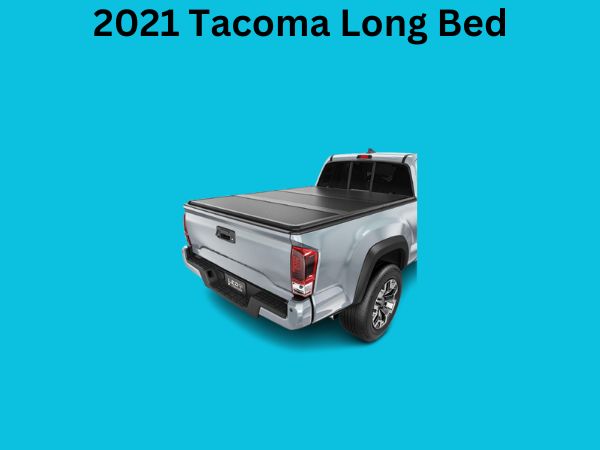
Long bed trucks accommodate larger tonneau covers and more elaborate bed storage systems. You can install longer bed dividers and organizational systems. Some owners even create built-in storage solutions or camping platforms. The extra length gives you room to get creative with your setup in ways that short bed owners simply can’t replicate.
Budget Considerations and Pricing
Let’s talk money, because that’s often the deciding factor for many buyers. The 2021 Tacoma short bed typically carries a lower initial purchase price, usually around $500 to $1,000 less than the long bed equivalent depending on trim level. Over the life of the vehicle, the short bed’s better fuel economy might save you money on gas, though we’re talking modest amounts. The real financial difference comes if the long bed’s capacity saves you money by making fewer trips or renting equipment less frequently.
Total Cost of Ownership Analysis
When you calculate total cost of ownership, both configurations come remarkably close. The short bed saves on fuel but might require more frequent trips or renting equipment. The long bed costs more upfront and in fuel but might reduce the need for alternative solutions. Your actual savings depend entirely on how you use the truck.
Making Your Final Decision
So how do you actually choose? Start by honestly assessing your needs. How often do you actually need to haul things? What’s the largest item you regularly need to transport? How much do you value parking convenience? Ask yourself these questions and answer truthfully, not based on what you think you might need someday.
Questions to Ask Yourself
- Do you regularly transport items longer than 5 feet?
- How important is parking ease in your daily life?
- Will you tow regularly, and if so, how much weight?
- Are you using this truck primarily for work or recreation?
- How does fuel economy impact your budget?
- Do you have adequate space to park a longer vehicle?
- Will the truck be your only vehicle or a secondary vehicle?
Real-World Usage Scenarios
Let me give you some concrete examples. If you’re a homeowner who occasionally needs to pick up materials from the hardware store, the short bed handles 90% of your needs perfectly. The 10% of situations where you need something longer can usually be solved by renting a trailer or making two trips. For a contractor who loads the truck daily with various materials, the long bed becomes essential because those extra 17 inches mean the difference between efficiency and frustration.
Scenario: Weekend Warrior
You enjoy DIY projects and camping. The short bed serves you beautifully. You can throw your camping gear back there, hit the trails, and enjoy superior maneuverability at campgrounds. When you need lumber for projects, most pieces can be secured with proper tie-downs even if they overhang slightly. The short bed is perfect for your lifestyle.
Scenario: Small Business Owner
You run a landscaping or handyman business. The long bed becomes your partner. You can load equipment and materials without worrying about overhang. Your productivity doesn’t suffer because you’re not making multiple trips or dealing with insecure cargo. The long bed justifies its existence through daily use.
Test Drive Insights
Here’s my recommendation: test drive both versions before deciding. Take the short bed and feel how responsive it is. Notice how easily it fits in parking spaces and how the shorter wheelbase affects handling. Then take the long bed and appreciate the extra cargo area. Feel how stable it is when fully loaded. Your personal comfort and confidence matter more than any specification sheet. Sometimes you just need to sit in the driver’s seat and feel what’s right for you.
Conclusion
The 2021 Tacoma short bed versus long bed debate ultimately comes down to your specific needs and lifestyle. There’s no universally correct answer—there’s only the right answer for you. The short bed excels at providing a nimble, fuel-efficient truck that’s easy to park and maneuver in tight spaces. It’s perfect for people who want truck capability without truck burden. The long bed delivers maximum cargo capacity and the versatility to handle serious hauling projects. It’s the choice for people who need their truck to earn its keep through heavy work.
Both configurations represent Toyota’s commitment to building reliable, capable vehicles. Both will serve you well if you match your choice to your actual needs. Don’t be swayed by what others drive or what you think you might need someday. Make your decision based on honest assessment of your regular requirements, and you’ll be happy with whichever Tacoma you drive home.
Frequently Asked Questions
Can you fit an 8-foot pallet or material in a short bed Tacoma?
Not without significant overhang. An 8-foot item in a 60-inch bed will extend about 20 inches beyond the tailgate. This creates safety concerns and potential legal issues in some jurisdictions. You’ll need to secure