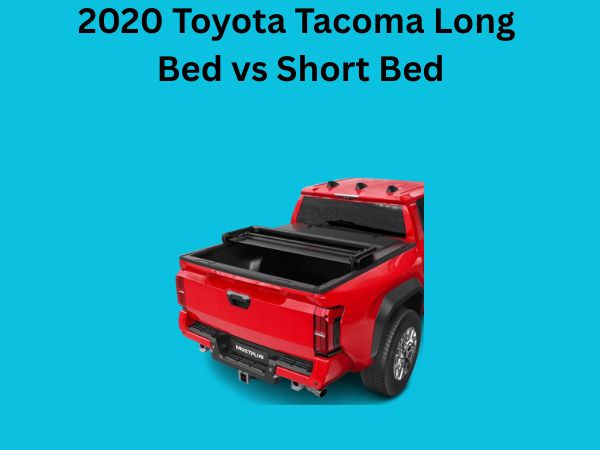
2020 Toyota Tacoma Long Bed vs Short Bed: The Complete Comparison Guide
If you’re in the market for a mid-size pickup truck, you’ve probably stumbled upon the 2020 Toyota Tacoma. It’s a beast of a vehicle—reliable, capable, and built to last. But here’s the thing: when you’re ready to buy, you’ll face a crucial decision that many truck buyers overlook. Should you go with the long bed or the short bed? This choice is more important than you might think, and it can significantly impact how you use your truck day-to-day.
I’m going to walk you through everything you need to know about both configurations, so you can make an informed decision that matches your lifestyle and needs perfectly.
Understanding Truck Bed Basics
Before we dive into the specifics of the 2020 Toyota Tacoma, let’s establish what we’re actually talking about. A truck bed is the open cargo area at the back of your pickup truck. Think of it as your vehicle’s workspace—where you haul materials, transport equipment, or carry the things that make life possible. The length of this bed directly affects how much you can carry and how the truck handles on the road.
The Toyota Tacoma comes in two primary bed configurations: short bed and long bed. This isn’t just a minor difference—it’s a fundamental choice that affects nearly every aspect of truck ownership. Your decision here should be based on your specific needs, not just personal preference.
Short Bed Overview and Benefits
What Exactly Is a Short Bed?
The 2020 Toyota Tacoma short bed measures 60 inches in length. Now, that might sound long, but in the truck world, it’s considered the shorter option. The short bed configuration has become increasingly popular in recent years, and there’s a good reason for that.
The Primary Advantages of Going Short
First, let’s talk about maneuverability. A short bed Tacoma is significantly easier to park and navigate in tight spaces. If you live in an urban environment or frequently find yourself in parking lots with limited space, this matters more than you’d expect. The shorter wheelbase also contributes to better handling and a tighter turning radius, making the truck feel less intimidating to drive in confined areas.
Second, the short bed typically costs less than its long bed counterpart. If you’re budget-conscious, this difference could be substantial. You’re not just paying for less truck bed; you’re also getting improved fuel economy due to reduced weight and wind resistance.
- Better maneuverability in tight spaces
- Lower purchase price
- Improved fuel efficiency
- Easier to park in standard parking spaces
- Better visibility when backing up
- Shorter overall vehicle length
Long Bed Overview and Advantages
Understanding the Long Bed Dimensions
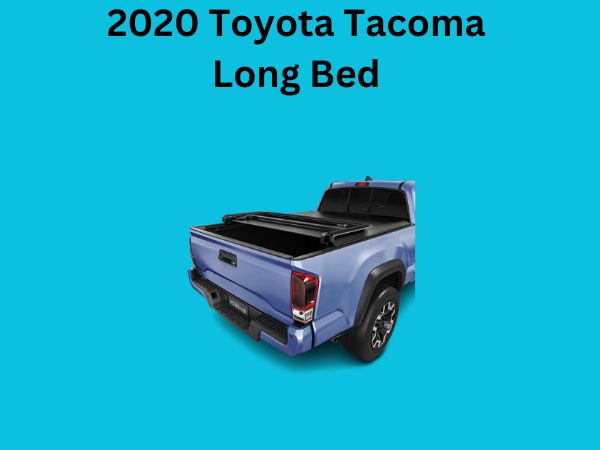
The 2020 Toyota Tacoma long bed stretches 72 inches—that’s a full foot longer than the short bed. While this might not sound like much, when you’re actually using the bed, you’ll definitely notice the difference. This extra space gives you significantly more versatility.
Key Benefits of the Long Bed Configuration
The long bed is a game-changer if you regularly haul materials or equipment. Whether you’re transporting lumber, ladders, or dirt bikes, that extra 12 inches of space makes a real difference. You’ll find yourself able to carry items that simply won’t fit in the short bed without expensive workarounds.
Beyond just raw cargo space, the long bed gives you flexibility. You can position items differently, create better weight distribution, and avoid hanging cargo over the tailgate—which is both dangerous and potentially illegal in many jurisdictions.
- Significantly more cargo capacity
- Better for hauling long materials
- Improved weight distribution
- More versatility for different cargo types
- Better for landscaping and construction work
- Can accommodate larger tonnage safely
Size Comparisons and Dimensions
Overall Length Differences
Here’s where the numbers get interesting. The short bed Tacoma has an overall length of approximately 212.3 inches, while the long bed extends to about 224.3 inches. That’s a difference of 12 inches—the exact size difference between the bed lengths. This extra foot might not sound dramatic until you’re trying to fit your truck into a residential garage or parking structure with height and length restrictions.
Width and Height Remain Constant
One thing that stays the same between both configurations is the width and height. Both versions maintain the same cab size and wheelbase construction. The only difference is bed length. This is actually good news because it means your decision won’t affect your ability to navigate standard highway lanes or fit into most parking structures heightwise.
Cargo Box Comparisons
The short bed offers 60 inches of cargo space, which translates to approximately 52.8 cubic feet when you factor in the height of the bed walls. The long bed, at 72 inches, provides approximately 63.4 cubic feet. That’s roughly a 20 percent increase in capacity. For the average homeowner, this might seem excessive. For contractors and serious truck users, it’s barely enough.
Maneuverability and Parking Considerations
Turning Radius and Urban Navigation
Let’s be honest: the short bed Tacoma is noticeably easier to maneuver. The shorter wheelbase gives you a tighter turning radius, which means navigating through downtown areas, parking lots, and tight streets becomes less stressful. If you’re someone who frequently drives in congested urban environments, this advantage shouldn’t be underestimated.
The long bed, while still a mid-size truck, requires more planning when making turns. You need to be more conscious of your vehicle’s length, and tight corners become actual challenges rather than afterthoughts. However, if you’re primarily driving on highways and have access to spacious parking, this rarely becomes an issue.
Parking Space Requirements
Standard parking spaces are typically designed for vehicles around 180-200 inches in length. The short bed Tacoma at 212.3 inches technically exceeds this, but it’s much closer to average. The long bed at 224.3 inches definitely requires you to be more selective about where you park. Some compact parking areas might prove impossible.
If your daily routine involves parking in tight residential areas, downtown cores, or structured parking garages, the short bed is the practical choice. If you have access to open parking, driveways, or parking lots, the long bed won’t present much difficulty.
Backing Up and Visibility
The shorter bed means better visibility when backing up. You can see more directly behind the truck without relying heavily on backup cameras and sensors. This might seem like a minor point, but when you’re maneuvering in tight situations, that extra visibility makes a real difference in your confidence and safety.
Cargo Capacity Breakdown
Weight Rating Differences
The 2020 Tacoma’s payload capacity varies slightly between bed lengths, though the difference isn’t as dramatic as the volume difference. Both configurations are rated for similar payload capacities—typically around 1,620 pounds for the short bed and approximately 1,620 pounds for the long bed as well. The difference in payload capacity is minimal because the weight distribution and frame structure remain largely the same.
Practical Cargo Examples
So what does this translate to in real-world terms? With a short bed, you can comfortably transport a small utility trailer, basic construction materials, or recreational equipment. You can fit a motorcycle or two, basic landscaping supplies, or a weekend’s worth of camping gear with no issues.
With a long bed, you gain the ability to transport longer items like 8-foot lumber without it hanging dangerously over the tailgate. You can carry larger quantities of gravel, mulch, or dirt. If you’re transporting a full-size motorcycle plus additional gear, the long bed gives you breathing room. Construction crews and contractors often find the long bed essential for their work.
Volume Versus Weight Considerations
Here’s an important distinction: just because the long bed has more volume doesn’t mean you can always fill it to capacity. You’re limited by payload weight, not just bed space. However, for most lightweight materials—lumber, landscaping supplies, camping gear—the long bed’s volume advantage is the limiting factor, not the weight rating.
Towing and Performance Differences
Towing Capacity Comparison
The 2020 Toyota Tacoma delivers impressive towing capability regardless of bed length. The truck can tow up to 6,800 pounds with the proper hitch setup and transmission configuration. Interestingly, the bed length doesn’t significantly impact towing capacity. Both the short bed and long bed versions are equally capable of handling trailers, boats, and other towed equipment.
What does change slightly is the overall vehicle dynamics. The long bed provides a longer wheelbase, which some drivers argue creates a more stable platform when towing. The extra length distributes weight more evenly, potentially providing a smoother towing experience during highway driving.
Stability and Balance When Towing
When you’re towing with a pickup truck, stability matters tremendously. The long bed’s extended wheelbase can provide marginal improvements in weight distribution, especially if you’re towing at maximum capacity. The extra bed length creates a longer platform that keeps the weight more centered over the axles.
That said, the short bed Tacoma still tows with excellent stability. Unless you’re consistently towing at or near maximum capacity, you won’t notice a practical difference. Most recreational towing scenarios work equally well with either configuration.
Fuel Economy Comparison
EPA Ratings and Real-World Data
Here’s where the short bed shows a genuine advantage. The reduced weight and lower wind resistance of the short bed typically result in slightly better fuel economy. You’re looking at approximately 1-2 miles per gallon better with the short bed compared to the long bed, depending on driving conditions and how you use the truck.
The 2020 Tacoma achieves approximately 21 miles per gallon combined for the short bed and around 20 miles per gallon for the long bed. While this might seem like a small difference, if you drive your truck regularly, it adds up over months and years. At current fuel prices, this difference could save you several hundred dollars annually.
Factors Affecting Fuel Economy
It’s worth noting that your actual fuel economy depends on numerous factors beyond bed length: driving habits, road conditions, load weight, and maintenance all play significant roles. A poorly maintained long bed Tacoma might achieve worse fuel economy than a well-maintained short bed. However, all things being equal, the short bed holds the advantage.
Price Differences
MSRP and Real-World Pricing
When the 2020 Toyota Tacoma was new, the short bed version typically cost $200 to $400 less than the comparable long bed model. This might not seem dramatic, but when you’re making a major purchase, every dollar counts. The price difference can vary based on trim level, optional features, and regional pricing variations.
On the used market, the price difference between short bed and long bed models is often more pronounced. Buyers who want long beds are sometimes willing to pay premium prices for that configuration, which can mean short bed models depreciate slightly faster.
Long-Term Cost Considerations
Beyond the initial purchase price, consider the long-term costs. The short bed’s better fuel economy means lower operating costs over time. Insurance costs are typically identical between bed lengths since they’re essentially the same vehicle. Maintenance costs shouldn’t differ significantly either, as the mechanical systems are virtually identical.
Practical Use Cases for Each Configuration
When the Short Bed Makes Sense
Choose the short bed if you’re primarily using your truck for personal transportation with occasional light hauling. Urban dwellers who need a truck for weekend projects but spend most of their time navigating city streets should absolutely consider the short bed. If you value fuel economy and maneuverability over maximum cargo space, the short bed is your answer.
The short bed is also ideal for anyone who wants a truck that feels almost car-like to drive. It’s more forgiving in tight situations and less intimidating for drivers unaccustomed to piloting large vehicles.
When the Long Bed Becomes Essential
The long bed is the right choice if you use your truck for work-related purposes. Contractors, landscapers, and tradespeople often find the long bed indispensable. If you frequently transport long materials or large quantities of supplies, the long bed provides the space you need.
The long bed also makes sense if you’re towing regularly or if you want maximum versatility. Even if you don’t currently need the extra space, having it available provides peace of mind and flexibility for future projects.
Resale Value and Market Demand
Which Configuration Holds Value Better?
Interestingly, the long bed configuration often commands higher resale prices. This is because commercial users and work-focused buyers seek out long beds specifically and are willing to pay premium prices. If you plan to keep your truck for many years and eventually sell it, the long bed might prove to be the better investment.
However, short bed models are easier to sell quickly due to their broader appeal to general consumers. You might get slightly less money, but you’ll find a buyer faster. This is an important consideration if you’re planning to upgrade or change vehicles within the next five to seven years.
Market Demand Factors
The used truck market heavily favors capability and practicality. Buyers searching for used Tacomas often specifically seek long beds because they want maximum versatility. If resale value is a concern, the long bed gives you a competitive advantage in the marketplace.
Customization Options
Aftermarket Accessories and Modifications
Both bed lengths support extensive customization. Tonneau covers, bed racks, protective liners, and storage solutions are available for both configurations. However, the long bed gives you more options for certain modifications. Sliding cargo systems, multiple tie-down points, and organizational solutions often work better with the extra space.
If you’re planning to add a shell, cap, or tonneau cover, both lengths are equally easy to work with. The main advantage of the long bed is that you have more surface area to work with when planning custom storage solutions.