Air Bed vs Self Inflating Mattress: Best?
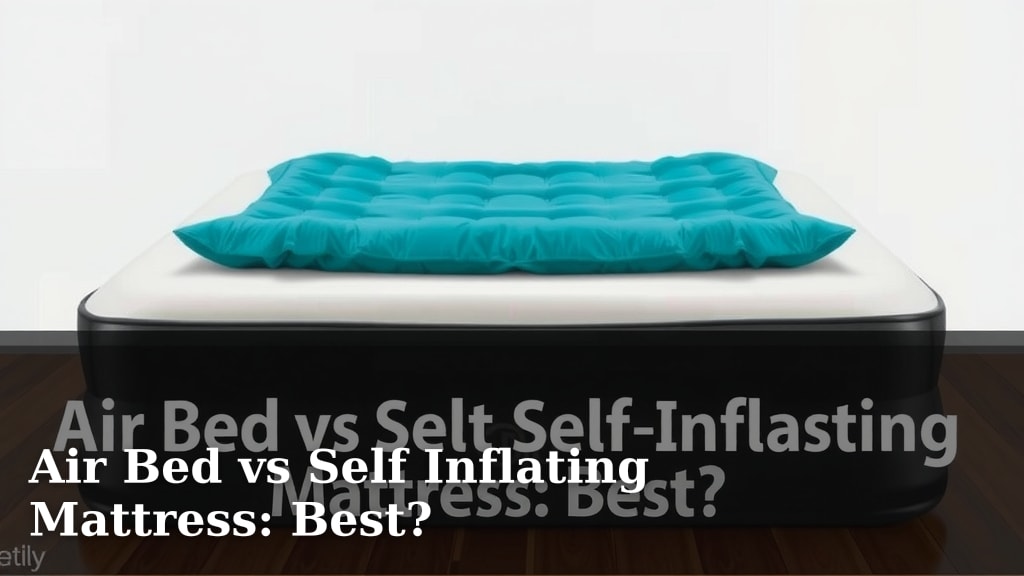
When choosing between an air bed and a self-inflating mattress, the best option depends on your needs. Air beds are typically lighter and more portable, making them great for camping. Self-inflating mattresses offer more comfort and insulation, better suited for guest rooms or longer trips. For overall durability and ease of use, we found that many users prefer the simplicity of air beds for temporary setups.
Both air beds and self-inflating mattresses are designed for comfort and convenience. Air beds use electric pumps for quick inflation and deflation, often feeling more like a traditional bed. Self-inflating options use foam that expands when you open a valve, providing a more compact and self-sufficient sleeping surface. Understanding these key differences helps you pick the right one.
- Air beds are best for portability and quick setup.
- Self-inflating mattresses provide more comfort and insulation.
- Air beds use pumps; self-inflating ones use foam and valves.
- Consider your primary use: camping, guests, or travel.
Let’s break down which mattress is the right fit for your next adventure or unexpected guest.
Air Bed Versus Self-Inflating Mattress: Which Is Better?
When you need a temporary sleeping surface, deciding between an air bed and a self-inflating mattress can be tough. Both offer a way to sleep comfortably off the floor. But they work differently and serve different purposes. We’ve looked into what makes each unique to help you choose the perfect one for your needs.
Understanding Air Beds
An air bed is essentially a large, inflatable bag. It uses an electric pump to fill with air. This makes it easy to set up and take down quickly. Think of it like a simple, temporary mattress.
How Air Beds Work
Most air beds come with a built-in or separate electric pump. You plug it in, and it inflates the mattress. This process usually takes just a few minutes. Deflation is just as simple. You open a valve, and the pump can often help push the air out faster. This speed is a big plus for many users.
Pros of Air Beds
- Quick Setup and Takedown: This is their biggest advantage. Perfect for when guests arrive unexpectedly or when you’re setting up camp in a hurry.
- Adjustable Firmness: You can control how much air goes in. This lets you make the bed as firm or as soft as you like.
- Portability: Many air beds fold up quite small. They often come with a carrying bag, making them easy to transport.
- Variety of Sizes: You can find twin, queen, and even king-sized air beds. Some even have built-in headboards.
Cons of Air Beds
- Durability Concerns: They can be prone to punctures from sharp objects. Leaks can also develop over time.
- Dependence on Power: For electric pump models, you need a power source. This can be an issue when camping far from outlets.
- Temperature Sensitivity: Air beds can feel cold in cooler temperatures. The air inside can conduct cold from the ground.
Exploring Self-Inflating Mattresses
A self-inflating mattress is different. It contains a layer of open-cell foam inside. When you open the valves, the foam expands. This expansion creates a vacuum that pulls air into the mattress. It’s a bit more like a traditional sleeping pad, but usually thicker and more comfortable.
How Self-Inflating Mattresses Work
You unroll the mattress and open the valves. The foam inside, when compressed during packing, wants to return to its original shape. This creates suction, drawing in ambient air. You might need to add a few breaths yourself to reach your desired firmness. It’s a clever system that doesn’t require electricity.
Pros of Self-Inflating Mattresses
- Comfort and Insulation: The foam provides more cushioning than an empty air bladder. It also offers better insulation from the cold ground. Research shows that better insulation leads to more comfortable sleep (National Sleep Foundation).
- Self-Sufficient: No need for a pump or electricity. This makes them ideal for remote camping or situations without power.
- Durability: Generally, they are more resistant to punctures than air beds. The foam layer adds some protection.
- Compact When Packed: While they expand to inflate, they roll up quite tightly for storage and transport.
Cons of Self-Inflating Mattresses
- Slower Setup: They take longer to inflate than electric air beds. You have to wait for the foam to expand.
- Less Adjustable Firmness: While you can add some air, the primary inflation comes from the foam. Fine-tuning firmness is harder.
- Can Be Bulky: When rolled up, some can be larger than deflated air beds.
Key Differences Summarized
Let’s look at a quick comparison to highlight the main differences you’ll encounter.
| Feature | Air Bed | Self-Inflating Mattress |
|---|---|---|
| Inflation Method | Electric pump (built-in or separate) | Foam expansion, manual top-up breaths |
| Setup Speed | Very fast (minutes) | Moderate (minutes to over 10 minutes) |
| Comfort Level | Varies, can feel like a traditional bed | Good cushioning, consistent firmness |
| Insulation | Low, can feel cold | Moderate to good, foam helps |
| Portability (Packed) | Generally compact, folds flat | Rolls up, can be bulkier |
| Power Needed | Yes, for electric pump models | No |
| Puncture Resistance | Lower | Higher |
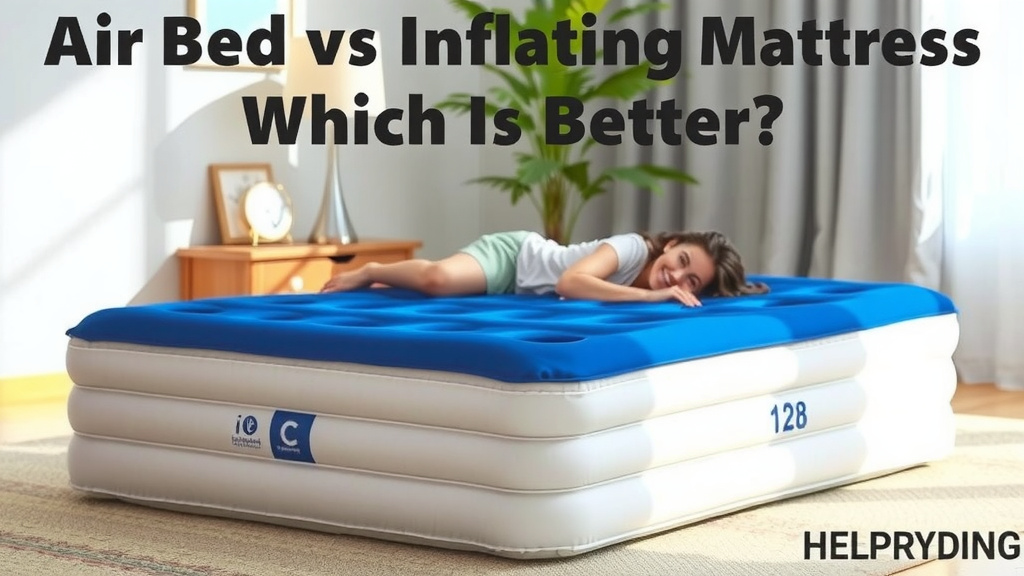
When to Choose Which
Your decision really hinges on where and how you plan to use the mattress.
Air Beds Shine For:
- Guest Rooms: When you need a bed for visitors, an air bed is quick to set up and stores away easily.
- Occasional Camping: If you car camp and have access to power, an air bed can offer a more bed-like feel.
- Kids’ Sleepovers: They are often fun for kids and simple for parents to manage.
Self-Inflating Mattresses Excel For:
- Backpacking and Remote Camping: Their independence from power is a major advantage.
- Extended Trips: The added comfort and insulation can make a big difference over multiple nights.
- Travel: When space is tight, a rolled-up mattress might be more manageable than a bulky air bed.
- Car Camping with No Power: If you’re off the grid, this is your best bet for comfort.
Making Your Final Choice: A Quick Checklist
To help you decide, ask yourself these questions:
- How important is super-fast setup?
- Will you always have access to electricity?
- Do you need extra warmth from your mattress?
- How much space do you have for packing?
- What kind of terrain will you be sleeping on?
- Is the feel of a firm, air-filled surface okay for you?
Conclusion
So, the best choice between an air bed and a self-inflating mattress really comes down to your adventure. If speed and a bed-like feel are your priorities, especially with power access, an air bed wins. For off-grid comfort, insulation, and durability, a self-inflating mattress is your go-to. We found that understanding your trip’s demands—like electricity availability and desired comfort level—is your key to picking the perfect sleep solution.
Think about your next outing and which of these features will make your sleep the most restful. Your decision now leads to better sleep on your next journey!
Frequently Asked Questions
How do I keep an air mattress from feeling cold at night?
Air beds can feel cold because the air inside conducts heat away from your body. To combat this, try adding a blanket or sleeping bag on top of the air mattress. You can also place a thick rug or extra padding underneath it for added insulation from the floor.
Can a self-inflating mattress be too soft?
Yes, a self-inflating mattress can sometimes be too soft if you don’t achieve full expansion. If you find it’s not firm enough after the foam has expanded, you can typically add a few extra breaths manually. Ensure the valves are completely open during the initial expansion phase.
Are air beds safe for children’s sleepovers?
Air beds can be a fun and comfortable option for children’s sleepovers. Just ensure you set them up in a safe area away from any potential hazards. Always check the weight limit and supervise younger children during setup and use.
What is the best way to store a self-inflating mattress?
After deflating, roll the mattress up as tightly as possible, starting from the end opposite the valves. You can then use the included straps to keep it rolled. Store it in a dry place, ideally not compressed for extended periods, to preserve the foam’s integrity.
Which type of mattress is better for backpacking where weight and space are critical?
For backpacking where weight and space are critical, a self-inflating mattress is generally the better choice. They often roll up more compactly than deflated air beds and don’t require a separate pump, saving valuable space and weight in your pack.