Air Bed vs Folding Bed: Ultimate Comparison
When choosing between an air bed and a folding bed for guests, the air bed often wins for comfort, especially for overnight stays. While both offer temporary sleeping solutions, an air bed typically provides a more supportive and customizable sleeping surface. Folding beds can be quick to set up, but their mattresses are often thin and less forgiving.
Deciding which bed is right depends on your specific needs. You might prioritize portability and ease of storage, or perhaps the goal is to ensure your guest gets a truly restful night’s sleep. We’ve looked into what makes each bed type stand out to help you make the best choice for your home and your guests.
- Air beds offer better comfort and adjustability.
- Folding beds are great for quick setup and storage.
- Consider your guest’s needs and stay duration.
- Both are good for occasional use, but differ in feel.
We’re here to break down the differences and help you figure out which temporary bed will be a hit with your visitors.
Comparing Air Beds and Folding Beds for Your Guests
So, you need a place for a guest to sleep. You’re wondering if an air bed or a folding bed is the better pick. Both are great for temporary sleeping arrangements. But they offer different experiences for your visitors. We’re here to help you understand the key differences. This will make choosing much easier.
Understanding Air Beds: The Inflatable Comfort Option
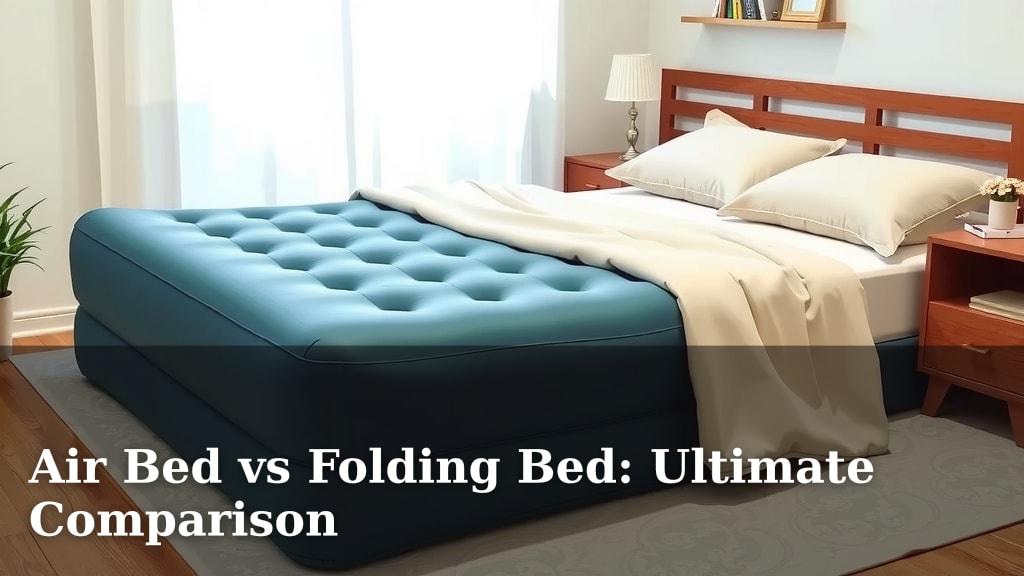
Air beds have come a long way. They use a pump to inflate an internal bladder. This creates a supportive surface. Many people find them surprisingly comfortable for overnight stays. They can mimic the feel of a traditional mattress.
How Air Beds Work and Why They’re Popular
The magic of an air bed is its adjustability. You can control the firmness. Need it softer? Deflate it a little. Want it firmer? Add more air. This customizability is a big win. It helps guests find their perfect sleeping position.
Many air beds are designed with internal structures. These can be coils or beams. They add stability and prevent you from sinking. This research shows that good support is key for restful sleep (National Sleep Foundation).
The Pros and Cons of Air Beds
Pros:
- Comfortable: Many models offer excellent comfort. They can feel like a real bed.
- Adjustable Firmness: You control how soft or firm it is. Your guest can even adjust it themselves.
- Compact Storage: When deflated, they fold up small. They fit easily in a closet or under a bed.
- Variety: There are many types, from basic to luxury models with built-in pumps.
Cons:
- Pump Needed: You usually need a pump (electric or manual). This adds a step to setup.
- Punctures: They can be susceptible to leaks or punctures. Careful placement is important.
- Noise: Some people find the sound of air shifting during the night disruptive.
- Initial Sagging: New air beds might sag a bit after the first few uses. They stretch and settle.
Exploring Folding Beds: The Ready-to-Go Sleeper
Folding beds, also called rollaway beds or guest beds, are simpler. They have a frame with a thin mattress attached. You unfold the frame, and it’s ready to go. They are incredibly straightforward.
The Simplicity of Folding Beds
The main appeal here is speed. Unfold it, maybe add a fitted sheet, and you’re done. There’s no inflation needed. This makes them perfect for unexpected guests or very short stays. You can set one up in minutes.
The Benefits and Drawbacks of Folding Beds
Pros:
- Ease of Use: Super simple to set up and take down. Just unfold and go.
- No Pump Required: You don’t need any extra equipment.
- Stable Frame: The metal frame is generally sturdy. It provides good support.
- Quick Storage: Most fold compactly for easy storage.
Cons:
- Mattress Thinness: The biggest drawback is often the thin mattress. It may not be comfortable for everyone, especially side sleepers.
- Less Customizable: You can’t adjust the firmness. What you get is what you have.
- Can Be Bulky: While they fold, some can still be a bit bulky to store.
- Durability Concerns: The frame mechanisms can wear out over time with frequent use.
Key Features to Consider for Both Types
When you’re weighing your options, think about a few key things. These features can make a big difference in guest satisfaction.
Comfort and Support: What Does Your Guest Need?
This is where air beds often shine. Many offer thicker mattresses or advanced internal structures. These provide better cushioning and support. Research suggests that adequate spinal alignment is crucial for sleep quality (Cleveland Clinic). An adjustable air bed can help achieve this.
Folding beds can vary. Some have slightly thicker mattresses or memory foam toppers. But generally, they offer less cushioning. The frame’s support is good, but the mattress itself is the limiting factor.
Setup and Ease of Use: Time vs. Effort
If speed is your absolute priority, a folding bed wins. It takes seconds to deploy. An air bed takes a few minutes to inflate. You also need to find a power outlet for an electric pump. Manual pumps take more effort.
However, many modern air beds have built-in pumps. This makes setup much faster. You just plug it in and press a button. So, the gap in ease of use is shrinking.
Storage and Portability: Where Will It Live?
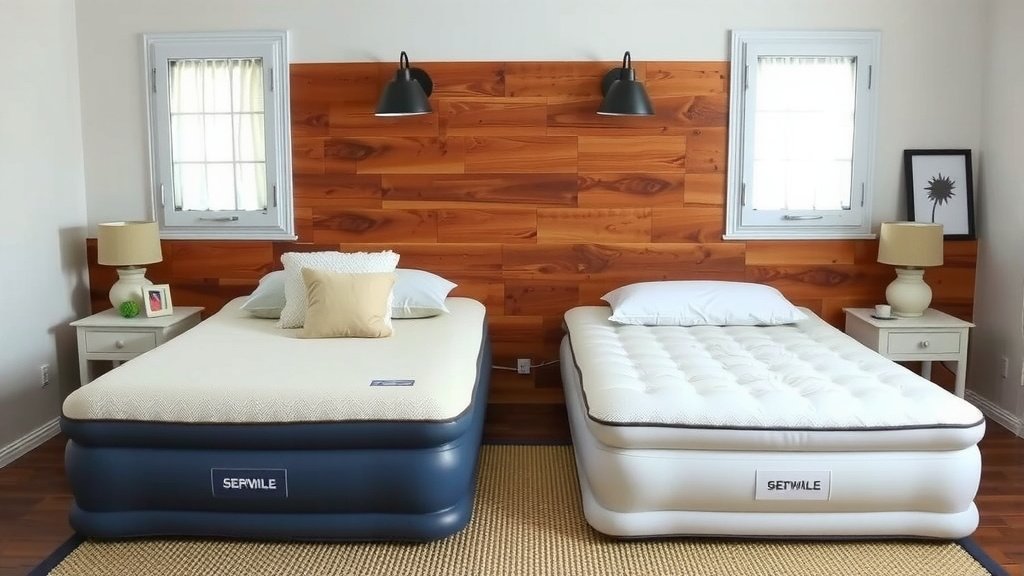
Both types are designed for temporary use. They both fold down for storage. Air beds, when fully deflated, are often the most compact. They can be rolled up and slipped into a bag. Folding beds might be a bit flatter but potentially wider.
Consider your available storage space. Do you have a tall closet? Or maybe space under a bed? Think about how easily you can move it, too. Some folding beds can be heavy.
Making Your Final Decision: A Quick Checklist
To help you decide, ask yourself these questions:
- How long will your guest be staying? (Overnight vs. a week)
- How important is a luxurious sleeping experience?
- How much space do you have for storage?
- How quickly do you need to set up the bed?
- What’s your budget for a temporary bed?
- Do you have power access near where the bed will be set up?
When to Choose Which Bed Type
Here’s a simple breakdown to guide you:
Choose an air bed if:
- Your guest is staying for more than one night.
- Comfort and a good night’s sleep are your top priorities.
- You want the option to adjust firmness for different sleepers.
- You have a bit more time and perhaps power access for setup.
Choose a folding bed if:
- Your guest needs a place to sleep very soon.
- Simplicity and speed are paramount.
- Your guest is staying for a very short time.
- You have limited storage space and want something that lies flat.
| Feature | Air Bed | Folding Bed |
|---|---|---|
| Comfort | Often higher, adjustable | Varies, can be thin |
| Setup Time | Minutes (inflation required) | Seconds (unfold only) |
| Ease of Use | Good, especially with built-in pumps | Excellent, very simple |
| Storage | Very compact when deflated | Folds, can be flat or bulky |
| Best For | Longer stays, comfort-focused needs | Short stays, quick solutions |
Conclusion
Choosing between an air bed and a folding bed ultimately comes down to your priorities for guest comfort and convenience. Air beds generally offer superior comfort and adjustability, making them ideal for longer stays where a restful night’s sleep is key. Folding beds excel in quick setup and space-saving storage, perfect for those unexpected overnight guests or very short visits. We’ve seen that modern air beds have closed the gap in ease of use, but folding beds remain unmatched for pure speed. Carefully consider your guest’s needs and your own storage capabilities to make the best choice. So, take a moment to picture your guest’s happy (and well-rested!) face and decide which bed will best welcome them into your home.
Frequently Asked Questions
Can an air bed really be as comfortable as a real bed?
Many modern air beds are designed with advanced internal structures, like coils or beams, that provide excellent support. When properly inflated to your desired firmness, they can offer a surprisingly comfortable sleeping experience, often rivaling traditional mattresses for short-term use. Some higher-end models even include plush tops for added softness.
Are folding beds too firm for side sleepers?
The mattresses on folding beds are typically quite thin. This can be a challenge for side sleepers, as it may not provide enough cushioning for their hips and shoulders. While you can add a mattress topper for extra comfort, the frame’s firmness can still be a limiting factor for some.
Which type of bed is better for frequent use?
For frequent use, an air bed might offer better long-term comfort if you invest in a higher-quality model. However, air beds can be susceptible to leaks over time. Folding beds are generally durable for occasional use, but the frame’s folding mechanism could potentially wear out with very regular setup and takedown.
Do air beds lose air overnight?
While some minor air loss is normal as the material settles and temperature changes, a properly functioning air bed should maintain its firmness throughout the night. If you notice significant deflation, it could indicate a leak in the bed or the valve. Checking the seal and inspecting for punctures is recommended.
Can I use a regular fitted sheet on an air bed or folding bed?
Yes, you can use regular fitted sheets on both air beds and folding beds. For air beds, ensure the sheet has deep pockets to accommodate the inflated height. For folding beds, a standard fitted sheet should fit well over the attached mattress.