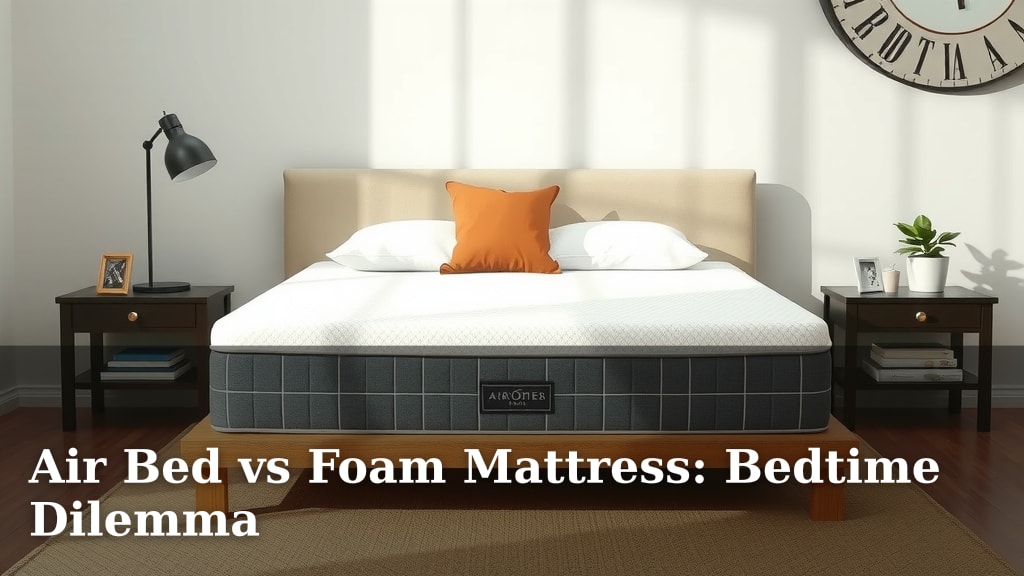
Air Bed vs Foam Mattress: Bedtime Dilemma
Deciding between an air bed and a foam mattress depends on your priorities: comfort, portability, and budget. An air bed offers quick inflation and deflation, making it perfect for guests or camping. A foam mattress provides superior long-term comfort and support for daily use. Neither is universally “better”; the best choice is yours.
Your sleep needs truly guide this decision. Many people find air beds too soft or unstable for regular sleep. Foam mattresses, on the other hand, often offer better pressure relief and spinal alignment. We’ve researched both to help you make an informed choice for your bedroom.
- Air beds are great for temporary use and travel.
- Foam mattresses excel in daily comfort and durability.
- Consider your budget and how often you’ll need the bed.
- Think about the level of support and comfort you prefer.
Let’s break down the pros and cons of each to see which one might be your perfect bedtime solution.
Choosing Between Air and Foam for Your Sleep Setup
So, you’re in a bit of a bedtime bind, aren’t you? The big question is: air bed or foam mattress? It’s like choosing between a comfy couch for a movie night and a sturdy desk for focused work. Both have their place, but they serve very different purposes. Let’s dive into what makes each tick, so you can figure out which one will actually help you get a good night’s sleep.
The Case for the Air Bed: Temporary Comfort and Portability
Air beds have really come a long way. They’re not just those flimsy blow-up things from years ago. Today’s air mattresses are often quite robust and can be surprisingly comfortable for short periods. Their biggest selling point? Convenience.
Quick Setup and Takedown
Need an extra bed for guests? An air bed is your go-to. Most come with a built-in pump, or you can use an external one. You can have a bed ready in minutes. When your guests leave, you deflate it, roll it up, and tuck it away. This space-saving aspect is a huge win for smaller homes or apartments.
Portability for Adventures
Planning a camping trip or a weekend getaway? An air bed can be a game-changer. It offers a step up from sleeping on the ground. Many are designed to be durable enough for outdoor use. They provide a raised sleeping surface, keeping you away from the cold, damp ground and creepy crawlies.
Budget-Friendly Options
Generally, air beds are significantly cheaper than foam mattresses. This makes them an accessible option if you’re on a tight budget or only need a bed occasionally. You can find decent models without breaking the bank. This affordability is a major draw for many.
Potential Downsides of Air Beds
However, air beds aren’t perfect for everyone, especially for nightly use. They can lose air over time, even with small leaks you can’t see. This means you might wake up feeling a bit saggy. Also, they can be quite noisy when you move. Think of the little squeaks and groans – not ideal for light sleepers. Many people find they lack the consistent support needed for proper spinal alignment.
The Appeal of the Foam Mattress: Long-Term Comfort and Support
Foam mattresses, particularly memory foam and latex, are designed for one thing: deep, restorative sleep. They offer a different kind of comfort, one that cradles your body and supports your spine. This is what most people think of for their primary bed.
Superior Comfort and Pressure Relief
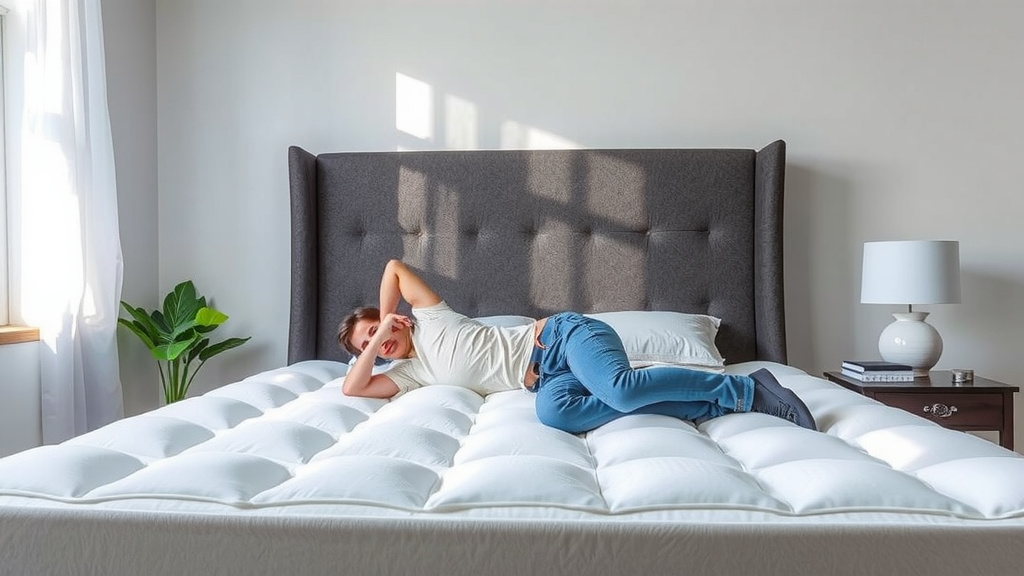
Foam mattresses excel at contouring to your body. Memory foam, for instance, softens with body heat. This allows it to mold around your curves, relieving pressure points. Think of your shoulders and hips – areas that often ache on firmer surfaces. This body-hugging feel can lead to a more comfortable and pain-free sleep. Many experts recommend foam for those experiencing joint pain (Cleveland Clinic).
Excellent Spinal Alignment
Proper spinal alignment is key to a healthy back. Foam mattresses often provide excellent support. They keep your spine in a neutral position, whether you sleep on your back, side, or stomach. This can help prevent or alleviate back pain. The mattress adapts to your unique shape, ensuring every part of your body is supported.
Durability and Longevity
When you invest in a foam mattress, you’re often investing in years of sleep. High-quality foam mattresses can last 7 to 10 years, sometimes even longer. They tend to maintain their shape and support over time, unlike air beds that might sag or develop leaks. This long-term performance offers great value.
Motion Isolation: A Peaceful Sleep
If you share your bed, this is a big one. Foam mattresses are fantastic at absorbing movement. If your partner tosses and turns, you’re much less likely to feel it. This motion isolation means fewer sleep disruptions. You can both sleep soundly, even if one of you is a restless sleeper.
Considerations for Foam Mattresses
Foam mattresses can be pricier upfront than air beds. They also require more effort to set up. They’re heavy and bulky, so moving them can be a challenge. Some people also find certain types of foam, especially early memory foam, can trap heat. However, many modern foam mattresses incorporate cooling technologies to combat this. And, of course, they’re not portable. You can’t exactly pack a foam mattress for a camping trip.
Comparing Key Features: A Quick Glance
To help you decide, let’s put some of the main differences side-by-side. Think about what matters most to you.
| Feature | Air Bed | Foam Mattress |
|---|---|---|
| Best For | Temporary use, guests, camping | Daily sleeping, long-term comfort |
| Comfort Level | Variable, can be less supportive | Consistent, body-contouring, pressure-relieving |
| Setup Time | Minutes (with pump) | Requires unpacking, maybe hours to fully expand |
| Portability | High (deflates and packs small) | Low (heavy and bulky) |
| Durability | Lower, prone to leaks/sags | High, lasts many years |
| Price Range | Low | Medium to High |
| Spinal Support | Can be inconsistent | Generally excellent |
| Motion Transfer | Can be high | Very low |
Making Your Final Choice: What to Look For
When you’re weighing your options, ask yourself a few questions. How often will you actually use this bed? Is it for your primary sleep space, or just for visitors? What’s your budget like? Are you looking for a long-term solution or something temporary?
Consider your own sleep needs too. Do you need extra back support? Are you a hot sleeper? Do you move around a lot at night? Knowing these things will point you in the right direction.
Your Personal Sleep Checklist
Here’s a quick checklist to help you narrow down your decision:
- Do you need a bed for daily use or occasional visitors?
- Is portability a major factor for you?
- What’s your comfort priority: plush and contouring, or firm and supportive?
- How much are you willing to spend?
- Are you concerned about back pain or joint pressure?
- Do you need a bed that offers good motion isolation?
By considering these points, you’ll get closer to finding the sleep solution that’s right for you. It’s not about one being definitively better, but about which one fits your life and your sleep style best. Your Zzz’s are important, so taking the time to choose wisely will pay off!
Conclusion
Choosing between an air bed and a foam mattress comes down to your specific needs and how you plan to use it. Air beds offer fantastic flexibility and portability for temporary situations like hosting guests or camping trips. They inflate quickly and store easily, making them a practical choice for occasional use. On the flip side, foam mattresses are the champions of daily comfort and long-term support, providing consistent alignment and pressure relief for your primary sleep space. Carefully consider your budget, how often you’ll need the bed, and your personal comfort preferences. Your best night’s sleep is waiting – take a moment to assess your priorities and make the choice that aligns with your lifestyle!
Frequently Asked Questions
Can an air mattress really replace a foam mattress for everyday use?
For most people, an air mattress is not ideal for everyday sleeping. While they can be comfortable for a short period, they often lack the consistent support and durability needed for nightly rest. Continuous use can lead to faster wear and tear, and you might experience air loss. A foam mattress is designed for daily comfort and long-term spinal alignment.
How long does an air mattress typically last compared to a foam mattress?
The lifespan of an air mattress can vary greatly, but they generally do not last as long as foam mattresses for regular use. Air beds are prone to leaks and may lose their firmness over time. A quality foam mattress, on the other hand, can last anywhere from 7 to 10 years or even longer with proper care, maintaining its shape and support throughout its life.
Are foam mattresses too hot to sleep on?
Some older memory foam mattresses were known to trap heat, but many modern foam mattresses now incorporate advanced cooling technologies. You can find options with gel infusions, open-cell structures, or breathable covers designed to dissipate heat and keep you cool throughout the night. Researching specific cooling features can help you find a foam mattress that suits warmer sleepers.
Is an air bed better for people with back pain?
Generally, a foam mattress is considered better for people with back pain because it offers superior spinal alignment and pressure relief. While an air bed can be adjusted to a firmer setting, it may not provide the consistent, contouring support needed to keep your spine in a neutral position. If you suffer from back pain, a supportive foam mattress is usually the recommended choice for daily sleep.
Can I use a foam mattress for camping if I can’t afford an air mattress?
While you technically *could* bring a foam mattress camping, it’s not very practical. Foam mattresses are heavy, bulky, and not designed for outdoor elements or uneven terrain. They also won’t offer the same elevation from the ground that an air bed does, which can be important for staying warm and dry. For camping, an air mattress or a dedicated sleeping pad is typically a much better fit.