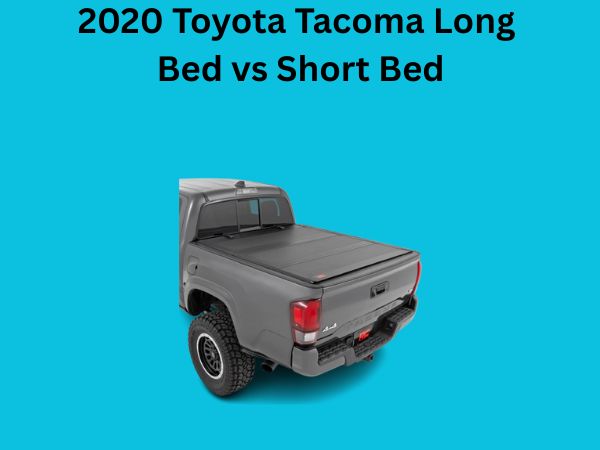
2020 Tacoma Long Bed vs Short Bed: A Comprehensive Guide to Choosing the Right Truck
If you’re in the market for a 2020 Toyota Tacoma, you’ve probably noticed that this iconic pickup comes in two distinct bed configurations: long bed and short bed. But what exactly are the differences, and more importantly, which one is right for you? I’m going to walk you through everything you need to know to make an informed decision.
Think of choosing between a long bed and short bed like deciding between a spacious SUV and a nimble sedan. Both get you where you need to go, but the journey feels different depending on which you pick. Let me break down the specifics so you can feel confident in your choice.
Understanding the Basics: Long Bed vs Short Bed
Before we dive deeper, let me clarify what we’re actually talking about. When we discuss bed length on a truck, we’re referring to the cargo area—that open space in the back where you haul stuff. The 2020 Tacoma comes primarily in two configurations, and these aren’t just minor variations. They fundamentally change how your truck performs and handles.
The short bed has been the traditional choice for Tacoma buyers, while the long bed option appeals to those who need maximum hauling capacity. But it’s not just about the numbers on a spec sheet. These differences ripple through every aspect of your truck ownership experience.
What Exactly Is a Short Bed Tacoma?
A short bed Tacoma is designed for versatility. It’s the truck that doesn’t want to commit to being a pure work vehicle or a pure lifestyle vehicle—it wants to be both. The compact bed makes it easier to navigate tight spaces, park in standard parking spots, and maneuver through urban environments without feeling like you’re driving an eighteen-wheeler.
When Toyota engineered the short bed Tacoma, they were thinking about the guy who needs to haul his dirt bikes on the weekend but also wants to actually fit into his garage. They were thinking about the tradesperson who needs to transport materials but also wants to pick up groceries without creating a traffic hazard in the parking lot.
What Exactly Is a Long Bed Tacoma?
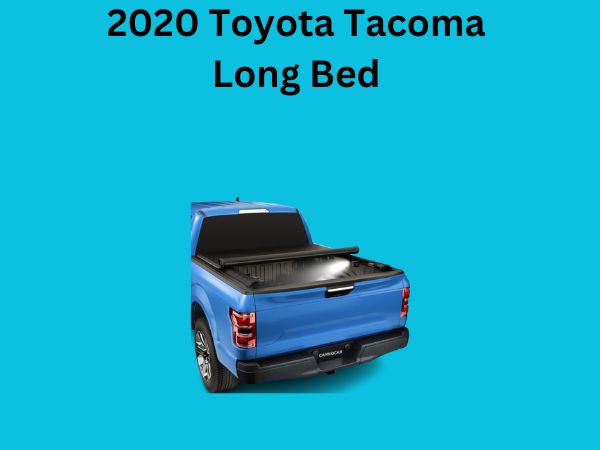
The long bed Tacoma, on the other hand, is the truck that prioritizes cargo space above all else. It’s the choice for someone who says, “I’m going to haul things, and I’m going to haul them seriously.” This configuration gives you significantly more room in the back while maintaining the Tacoma’s legendary reliability and off-road capability.
Think of it as the difference between a studio apartment and a one-bedroom. That extra space might not sound like much until you really need it.
Detailed Dimensional Specifications and Measurements
Now let’s talk numbers, because dimensions tell a story about how each truck will actually perform in your life.
Short Bed Dimensions
The 2020 Tacoma short bed features a cargo bed that measures approximately 60 inches in length. This translates to roughly 5 feet of usable space in the back. The width is consistent at about 60 inches as well (inside measurement), giving you a compact footprint that’s both functional and manageable.
Overall truck length with the short bed configuration sits around 209 inches or just under 17.5 feet. This is important because it affects everything from parking to navigating narrow streets and tight construction sites.
Long Bed Dimensions
The long bed version stretches that cargo area to approximately 72 inches—that’s a full 12 inches longer than the short bed. While that might not sound like a dramatic difference, it represents a 20 percent increase in bed length. The overall truck length reaches approximately 221 inches, or just over 18.4 feet.
That extra foot-plus of length makes a substantial difference in carrying capacity and changes how the truck feels when you’re driving it, particularly in terms of balance and weight distribution.
Payload and Towing Capacity: Where It Really Matters
Here’s where the rubber meets the road—or more accurately, where the load meets the bed. The payload and towing capacities are where these two configurations show their true personalities.
Short Bed Payload Specifications
The 2020 Tacoma short bed typically offers a payload capacity of around 1,440 to 1,520 pounds, depending on your specific trim level and configuration. This is the maximum weight you can safely place in the bed and cabin of your truck combined, beyond the truck’s own curb weight.
Practically speaking, this means you can load up construction materials, landscaping supplies, camping gear, and miscellaneous cargo without worry for most common applications. It’s enough for the vast majority of weekend warrior tasks.
Long Bed Payload Specifications
The long bed Tacoma maintains similar payload capacity—around 1,440 to 1,520 pounds. Wait, didn’t I just blow your mind? The payload capacity actually stays roughly the same. This is because Toyota engineered the suspension and frame to handle similar loads regardless of bed length. The longer bed doesn’t automatically mean you can throw more weight in it; what it does mean is you can spread that weight over more surface area.
Towing Capacity Comparison
Both configurations share nearly identical towing capacity ratings. The 2020 Tacoma can tow up to 6,800 pounds when properly equipped. Neither the short bed nor the long bed has a significant advantage here. This is because towing capability depends more on engine power and frame strength than on bed length.
Maneuverability and Parking: The Daily Driver Factor
Let’s talk about something that actually affects your daily life—how easy is it to drive and park these trucks?
Short Bed Maneuverability Advantages
The short bed Tacoma is noticeably nimbler. You’ll notice this immediately when navigating parking lots, making U-turns, and maneuvering through city streets. The shorter overall length means a tighter turning radius, making it easier to navigate tight spaces.
Have you ever watched a long truck try to back into a spot at a crowded parking lot? It’s like watching someone try to thread a needle while wearing oven mitts. The short bed spares you that headache. You’ll also find it easier to fit in standard parking spaces, garages, and tight construction sites.
- Easier to park in standard residential garages
- Better maneuverability in urban environments
- Tighter turning radius for city driving
- Less hassle when backing into compact spaces
- Better visibility around the rear of the truck
Long Bed Maneuverability Challenges
The long bed Tacoma requires a bit more planning when navigating tight spaces. That extra 12 inches of bed length extends your overall truck length by the same amount. When you’re trying to fit into a spot between two cars or navigating a narrow alley, that extra foot becomes very noticeable.
The turning radius increases, which means you might need to make adjustments or take wider turns. For someone who spends most of their time on highways and in spacious areas, this isn’t a significant concern. But if you’re regularly navigating dense urban environments, it’s worth considering.
Real-World Cargo Capacity Analysis
Now let’s talk about what you actually care about—how much stuff can you fit, and how will it affect your truck’s performance?
Short Bed Cargo Advantages
The short bed’s 60-inch length (5 feet) is actually plenty for most applications. You can comfortably fit:
- Full-size sheets of plywood (which measure 48 inches on the short side)
- Standard pallet loads
- Dirt bikes and ATVs, sometimes two
- Landscaping supplies and soil
- Camping gear and outdoor equipment
- Building materials for most DIY projects
The question isn’t whether the short bed has enough space—for most people, it does. The question is whether you ever need that extra foot of space.
Long Bed Cargo Advantages
The long bed’s 72-inch length opens up additional possibilities:
- Longer building materials without extending over the tailgate
- Multiple pallets or larger loads
- Better distribution of weight across a longer bed
- Room for side-by-side four-wheelers or snowmobiles
- Cleaner, safer cargo securing without overhang
- Dedicated space for permanent bed installations (tool boxes, covers)
The long bed really shines when you’re regularly transporting longer items or when you want to distribute weight more evenly across a larger area.
Fuel Efficiency Implications and Real-World MPG
Does bed length affect how much gas you’re burning? The short answer is yes, but probably not as much as you might think.
Short Bed Fuel Economy
The 2020 Tacoma short bed generally achieves EPA-estimated fuel economy in the range of 19-21 miles per gallon, depending on whether you’re driving in the city or on the highway and whether you have two-wheel or four-wheel drive.
Long Bed Fuel Economy
The long bed version typically sees a slight decrease in fuel economy, usually in the 18-20 mpg range. The difference is marginal—we’re talking about maybe one mile per gallon in real-world driving. The longer bed creates slightly more aerodynamic drag and the truck is marginally heavier, but the difference is minimal.
Here’s the reality: if you choose the long bed because you need the capacity, the tiny fuel economy hit is worth it. You’ll save yourself countless trips and frustration that would more than offset the minimal gas savings from the short bed.
Aesthetic and Styling Differences
Let’s be honest—how your truck looks matters. It’s not all about function; it’s also about form.
Short Bed Styling Characteristics
The short bed Tacoma has a more compact, almost aggressive stance. The cab-to-bed ratio is more balanced, giving it a proportion that many people find visually appealing. It looks agile and ready for adventure. The overall silhouette is more compact and easier on the eye.
If you’re planning to modify your truck with a winch, light bar, or other accessories, the short bed provides a more proportional platform for these additions. It looks less utilitarian and more lifestyle-oriented.
Long Bed Styling Characteristics
The long bed Tacoma looks more like a traditional work truck. It has a more stretched-out appearance with a longer cargo area relative to the cab. For some people, this is exactly the look they want—purposeful and ready for serious work. For others, it might feel a bit ungainly.
The long bed has a different presence on the road. It commands more attention and makes a clear statement about its intended purpose. If you’re into the classic pickup truck aesthetic, you might actually prefer this look.
Price Variations and Cost Considerations
Let’s talk money. Does the long bed cost more?
Short Bed Pricing
The short bed is typically the standard configuration and usually costs less. Most base-model Tacomas come with a short bed, and you’re getting the most economical option upfront.
Long Bed Pricing
The long bed typically adds somewhere in the range of $1,000 to $2,000 to the vehicle’s purchase price, depending on your trim level and options. Some dealers might charge more or less, but this is the typical range.
However, here’s something important to consider: if you’re buying the long bed because you need the capacity, that extra investment pays for itself in convenience and eliminated extra trips. If you’re buying it just as an option to have, you’re paying for something you might rarely use.
Practical Use Cases: Which One Is Right for Your Lifestyle?
Instead of me telling you which is better, let me describe some scenarios and you can see where you fit.
Short Bed is Ideal For
You should seriously consider the short bed if you:
- Live in an urban or suburban environment with limited parking
- Use your truck for weekend adventures and recreation
- Want maximum maneuverability and ease of parking
- Occasionally haul cargo but don’t do it regularly
- Care about easier backing up and tighter parking spots
- Want to fit your truck in a standard garage
- Prioritize versatility and the ability to use your truck as a daily driver
Long Bed is Ideal For
You should seriously consider the long bed if you:
- Regularly transport long materials or substantial loads
- Use your truck for work purposes multiple times per week
- Live in a rural area where parking space isn’t a concern
- Want to maximize cargo space and reduce the need for multiple trips
- Prefer the traditional truck aesthetic
- Plan to install permanent bed accessories or covers
- Value cargo space over maneuverability
Resale Value and Long-Term Considerations
What happens when you eventually want to sell or trade in your Tacoma?
Short Bed Resale Market
The short bed Tacoma has broader appeal, which generally translates to stronger resale value. More people want the compact, versatile package, so your buyer pool is larger. You’ll likely find it easier to sell or trade in a short bed model at a reasonable price.
Long Bed Resale Market
The long bed appeals to a more specific audience—primarily commercial users and people who genuinely need the capacity. While there’s definitely a market for it, the buyer pool is somewhat smaller. However, buyers who are specifically looking for a long bed are often willing to pay for what they want.
The good news is that Tacomas, in general, hold their value well. You’re not going to take a huge hit either way. The difference might be a few hundred dollars at most.
Interior Cabin Space and Seating Differences
Here’s something important that people don’t always think about: does bed length affect the cabin?