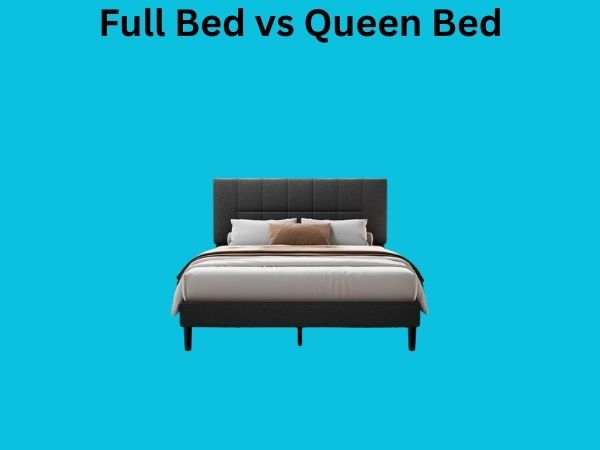
Full Bed vs Queen Bed: Which Size Should You Choose?
Let me ask you something—how many times have you woken up feeling cramped in your bed, or conversely, wondered if you really need all that extra space taking up your bedroom? The choice between a full bed and a queen bed might seem straightforward, but it’s actually one of those decisions that can significantly impact your sleep quality, your bedroom layout, and your wallet. I’ve seen countless people rush into bed shopping without really understanding the differences, and they end up regretting their choice months or even years down the line.
Think of choosing a bed size like picking the right size shoes—sure, you could squeeze into something that doesn’t quite fit, but you’ll be uncomfortable the entire time. In this guide, I’m going to walk you through everything you need to know about full beds versus queen beds, so you can make an informed decision that’s right for your unique situation.
Understanding Full Beds: The Classic Choice
A full bed, also commonly called a double bed, has been around for quite some time. It’s the bed that many of us grew up sleeping on, and for good reason. When we’re talking about dimensions, a full bed measures 54 inches wide and 75 inches long. Now, those numbers might not mean much to you right now, but bear with me—they become really important when you’re actually trying to fit one into your bedroom.
The full bed is kind of like the Goldilocks option when it comes to bed sizing. It’s bigger than a twin, but not as large as a queen. This makes it particularly appealing for people who are living alone or for young adults who are just starting out. It was designed at a time when bedrooms were typically smaller, and it still works beautifully in modern spaces, especially if you’re working with limited square footage.
Why People Choose Full Beds
There are several legitimate reasons why someone might opt for a full bed instead of jumping straight to a queen. Let me break down the main advantages:
- They take up significantly less floor space, which is crucial if you have a smaller bedroom
- The initial purchase price is generally lower than a queen
- Bedding and accessories are often cheaper and more readily available
- They fit well in apartments and studio settings
- Moving and transporting is easier due to their smaller footprint
Who Should Consider a Full Bed?
I’d recommend a full bed if you’re a single sleeper who doesn’t have a lot of tossing and turning habits, or if you’re living in a space where square footage is at a premium. Young adults living in dorm rooms or their first apartments often find that full beds are perfect for their situation. Additionally, if you have a guest bedroom where you don’t anticipate frequent use or where multiple people might sleep on a rotation basis, a full bed can be a practical choice.
Understanding Queen Beds: The Popular Standard
Now let’s talk about queen beds, which have become the most popular bed size in America over the past couple of decades. A queen bed measures 60 inches wide and 80 inches long, which means it’s 6 inches wider and 5 inches longer than a full bed. While that might not sound like much of a difference, when you’re actually sleeping on it, those extra inches matter tremendously.
The queen bed has essentially become the default choice for many households. Walk into most hotels and resorts, and you’ll find queen beds. Most master bedrooms in newly constructed homes are designed with queen beds in mind. There’s a reason for this widespread adoption—the queen size hits a sweet spot between being spacious enough for comfortable sleeping while still fitting reasonably into most bedroom configurations.
Why Queen Beds Have Become the Industry Standard
The queen bed’s popularity isn’t accidental. It emerged as the standard because it addresses real comfort concerns that people were having with full beds. When couples share a full bed, especially if they’re different sizes or have different sleep styles, it can feel cramped. The queen provides enough space that two adults can sleep relatively comfortably without constantly bumping into each other throughout the night.
Direct Size Comparison: Full vs Queen Dimensions
Let me put the dimensions into a more practical perspective for you. Imagine your full bed as the foundation. Now picture adding a strip of fabric that’s 6 inches wide running along the entire length of one side of your bed. That’s the width difference between a full and a queen. Then imagine adding another 5 inches to the foot of the bed lengthwise. That’s how much more sleeping surface area you’re getting with a queen.
In terms of total surface area, a full bed gives you 4,050 square inches of sleeping space, while a queen provides 4,800 square inches. That’s about an 18% increase in sleeping surface area. Now, 18% might sound modest on paper, but when you’re actually lying down night after night, that additional space can make a profound difference in how rested you feel.
Visual Representation of Size Differences
- Full Bed: 54 inches wide x 75 inches long = 4,050 square inches
- Queen Bed: 60 inches wide x 80 inches long = 4,800 square inches
- Width Difference: 6 inches (approximately 11% wider)
- Length Difference: 5 inches (approximately 7% longer)
- Overall Space Increase: 750 square inches (approximately 18% more)
Bedroom Space Considerations: Will It Fit?
Here’s where many people make their mistake. They fall in love with the idea of a queen bed without actually measuring their bedroom and considering what else needs to live in that space. I can’t tell you how many times I’ve heard stories about people buying a queen bed only to discover that they can barely open their closet doors or move around the bed.
Your bedroom isn’t just about the bed—you need space to walk around, access your dresser, open your closet, and maybe even fit a nightstand or two. A good rule of thumb is to leave at least 2 to 3 feet of clearance on either side of the bed and at the foot of the bed for comfortable movement. Some design experts suggest you should be able to walk around your bed without having to shuffle sideways.
Measuring Your Space Properly
If you’re trying to decide between a full and a queen, I’d recommend taking these steps before making your purchase:
- Measure your bedroom dimensions from wall to wall
- Account for closet doors, bathroom doors, and any other entry points that swing into the room
- Consider furniture placement—where will your dresser, nightstands, and desk go?
- Measure doorways to ensure the bed frame will actually fit through them
- Think about whether you’ll want to access under-bed storage
If your bedroom is smaller than 10 by 12 feet, a full bed might be the more practical choice. If you have a master bedroom that’s 12 by 14 feet or larger, a queen bed will likely work well and give you flexibility in how you arrange your other furniture.
Comfort and Sleeping Positions: Finding Your Sweet Spot
Let’s get into something that really matters—how these beds feel when you’re actually trying to sleep. Your sleeping position and movement patterns throughout the night should definitely influence your decision between a full and a queen.
If you’re a side sleeper who likes to sprawl out, or if you’re a stomach sleeper who needs plenty of room to move around, a queen bed will provide significantly more comfort. The extra width means you won’t feel like you’re precariously perched on the edge of the mattress when you roll over. On the other hand, if you’re someone who tends to stay in roughly the same position throughout the night and takes up minimal space, a full bed might suit you just fine.
How Different Sleeping Styles Affect Your Bed Choice
Back sleepers typically need less width than side sleepers because their body is narrower when lying on their back. However, they might appreciate the extra length that a queen provides if they’re taller. Side sleepers benefit significantly from the extra width—it gives them room to fully extend one leg while the other is bent without worrying about kicking a partner or falling off the bed. Stomach sleepers are similar to side sleepers in that they appreciate the extra width.
Financial Considerations: The Budget Factor
Let’s talk money, because this is often a deciding factor for many people. When you’re comparing full beds to queen beds, the cost difference extends far beyond just the mattress itself.
Upfront Costs
A quality full mattress might cost you anywhere from $300 to $800 depending on the type and brand. A comparable queen mattress typically runs $400 to $1,200. That’s a meaningful difference, especially if you’re budget-conscious or if you’re furnishing a new place. However, remember that you might be living with your mattress choice for 8-10 years, so the cost difference spread over that time period becomes less dramatic.
Hidden Costs Beyond the Mattress
What often surprises people is that bedding costs add up. Queen sheets, comforters, and pillows are universally available and often come in competitive pricing due to their popularity. Full-size bedding exists, but it’s less common, and you might find fewer options and less competitive pricing. Bed frames also follow this pattern—queen frames are more readily available and often cheaper than full frames proportionally.
Long-Term Life Changes: Planning for the Future
Here’s something people don’t always think about when choosing a bed size: your life will change. The bed you buy today might need to serve you for many years and through multiple life stages.
If you’re single now but think you might be in a relationship within the next few years, choosing a queen makes sense because you won’t have to upgrade later. A full bed for a single person becomes cramped very quickly if you add a partner into the equation. I’ve seen people buy full beds thinking it’s a temporary solution, only to find themselves in a relationship and desperately wanting to upgrade but feeling the pain of that expense.
On the flip side, if you’re quite confident you’ll be single for the foreseeable future and you’re renting rather than owning, a full bed might make financial and practical sense. Just be honest with yourself about your actual future plans rather than what you think you should want.
Furniture Compatibility and Room Layout
The bed frame you choose interacts with every other piece of furniture in your bedroom. A queen bed is larger and will make a bigger visual statement in your room. This means you need to ensure your other furniture is proportional and that your bedroom layout actually works.
If you have a bedroom with odd dimensions, limited wall space, or specific furniture that’s already taking up room, a full bed might allow for better overall flow and usability. Conversely, if you have a spacious bedroom, a queen bed will fill the space more proportionally and create a more balanced aesthetic.
Design and Aesthetic Considerations
- Queen beds work better in larger bedrooms and create a more balanced focal point
- Full beds suit smaller rooms and can feel more proportional in compact spaces
- Consider your headboard and whether it will look appropriate with the bed size
- Think about nightstands and whether they’ll fit in your layout
- Plan for any additional bedroom furniture you might want to include
Temperature Regulation During Sleep
This is something people rarely discuss, but it actually matters. The size of your bed affects how heat distributes when you’re sleeping. A larger bed means more surface area under your body, but it also means if you’re sleeping with a partner, there’s more physical distance between you if you want it.
Some people find that a larger queen bed helps them sleep cooler because they can maintain more distance from their partner if their partner radiates a lot of body heat. Others find that a full bed keeps them warmer because they’re in closer proximity to their partner. If you tend to sleep hot, this is worth considering.
Movement and Partner Disturbance: The Real Issue
This is arguably one of the most important factors when choosing between a full and a queen bed, especially if you’re sharing your bed with a partner. Have you ever been jolted awake because your partner rolled over or got up to use the bathroom? That’s partner disturbance, and it’s one of the primary reasons relationship counselors actually recommend larger beds.
A study published in a sleep medicine journal found that couples who shared larger beds reported better sleep quality and fewer instances of waking due to partner movement. The full bed’s smaller surface area means any movement is more likely to create ripples that wake the other person. The queen’s extra 750 square inches of space provides a buffer zone that reduces this problem significantly.
The Science Behind Sleep Disruption
When your partner moves on a full bed, that movement travels more readily to your sleeping area. On a queen bed, especially with a quality mattress that handles motion isolation well, you’re less likely to feel their movements. This is particularly important if one partner is a light sleeper and the other tends to move around a lot during the night.
Under-Bed Storage Space: A Practical Advantage
If you’re living in a space where storage is limited, the under-bed area becomes valuable real estate. Here’s an interesting consideration: while a queen bed covers more overall floor space, it actually doesn’t provide significantly more usable under-bed storage space than a full bed. Both can accommodate standard storage containers, so this factor probably won’t be a major differentiator for most people.
Children and Shared Sleeping Arrangements
If you have young children who sometimes climb into bed with you at night, or if you’re considering co-sleeping arrangements, the bed size becomes crucial. A full bed with two adults and one or more children can become incredibly cramped very quickly. A queen bed provides more flexibility and comfort for these situations. Many family sleeping arrangements work much better on a queen than they would on a full bed.
Making Your Final Decision: A Practical Framework
Let me help you think through this decision systematically. Ask yourself these questions:
- Are you sleeping alone or with a partner? If with a partner, do they move around a lot?
- How large is your bedroom, and what other furniture needs to fit?
- What’s your budget, and are you willing to pay more for comfort and options?
- Are you planning to move soon, and how does bed size affect portability?
- Do you anticipate life changes that might affect your sleeping situation in the next 5-10 years?
- How important is current comfort versus flexibility for future needs?
- How much do you value having more bedding and furniture options available?
If most of your answers lean toward comfort, partnership, space availability, or future flexibility, a queen bed is likely your best choice. If your answers emphasize budget constraints, small living spaces, solo sleeping, and portability, a full bed is probably the better option.
Conclusion
The choice between a full bed and a queen bed ultimately comes down to your personal situation, your bedroom size, your budget, and how you envision your life unfolding over the next several years. Neither option is inherently better or worse—they’re just different solutions for different needs and circumstances.