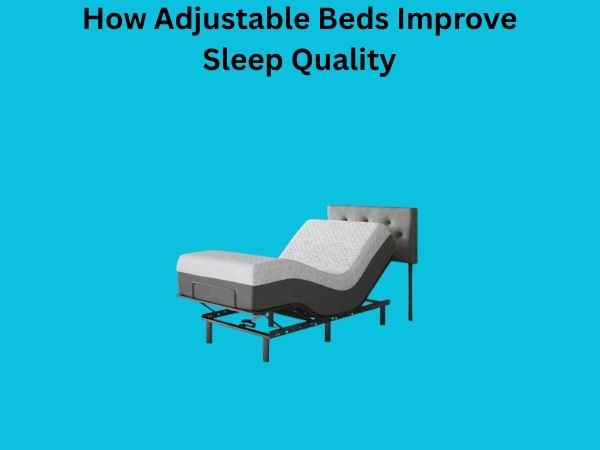
Sleep Science: How Adjustable Beds Improve Sleep Quality
Have you ever wondered why you wake up feeling like you’ve been hit by a truck, despite supposedly getting eight hours of sleep? The problem might not be the amount of rest you’re getting, but rather the position your body is in while you sleep. I spent years tossing and turning on a traditional flat mattress, thinking that was just my lot in life. Then I discovered adjustable beds, and honestly, it changed everything about how I approach sleep and recovery.
The modern adjustable bed isn’t your grandmother’s hospital bed anymore. Today’s models are sophisticated pieces of sleep technology designed with your comfort and health in mind. They’re becoming increasingly popular among sleep-conscious individuals who understand that quality matters just as much as quantity when it comes to rest.
The Science Behind Sleep Positioning
Let me start with something fundamental: your sleeping position matters enormously. Think of it like parking a car—if you leave it parked at an awkward angle for eight hours every night, eventually something’s going to feel off. Your body works the same way.
Why Position Affects Sleep Quality
When you sleep on a completely flat surface, your body has to work harder to maintain proper spinal alignment. Your lower back creates a gap between the mattress and your spine, which means your muscles stay partially engaged throughout the night instead of fully relaxing. This is like trying to relax while standing—your body never truly lets go.
Research shows that our bodies naturally prefer slight elevation in certain areas. When you’re awake, you move constantly, shifting your weight and adjusting your position dozens of times per hour. But when you sleep on a flat bed, you’re locked into one position for seven to nine hours straight. That’s a recipe for morning stiffness and discomfort.
The Body’s Natural Preference for Elevation
Have you noticed how you instinctively prop yourself up with pillows when you’re not feeling well? That’s your body telling you something important. Elevation is naturally comfortable for us, which is why hospital beds have always been adjustable. Hospitals discovered decades ago that elevation speeds recovery and improves patient comfort. Now, sleep scientists are applying these same principles to help healthy people sleep better.
What Makes Adjustable Beds Different from Traditional Mattresses
The Flexibility Factor
The fundamental difference between an adjustable bed and a traditional mattress is obvious once you think about it: one moves, and one doesn’t. But it’s more nuanced than that. An adjustable bed base allows you to customize your sleeping position in ways that a traditional bed simply cannot replicate.
With a traditional bed, you’re stuck with whatever position you manage to create with pillows and your own body contortions. It’s like trying to paint a detailed picture with only a bucket of water. But with an adjustable bed, you have complete control over the angle of your head, torso, and legs independently. You can raise your head section to exactly eighteen degrees if that’s what feels right for you, then lower your legs to a different angle entirely.
Customization Meets Comfort
Modern adjustable beds often come with remote controls or smartphone apps that let you save your preferred positions. You can have one setting for reading, another for watching television, and yet another specifically optimized for sleeping. Some people use different positions on different nights depending on how their body feels. This level of personalization is impossible with a traditional bed.
How Elevation Affects Sleep Quality
The Head Elevation Advantage
When you elevate your head while sleeping, several positive things happen in your body. First, you’re working with gravity instead of against it. Your head elevation can help reduce pressure on your neck and shoulders, which are areas where many people carry tension.
Head elevation also has respiratory benefits. When your head is elevated, your airway remains more open, which means you’re less likely to experience the partial airway blockages that create snoring or contribute to sleep apnea. Think of it as giving your lungs an easier job throughout the night.
Leg Elevation and Its Hidden Benefits
Now, here’s something that surprised me when I first learned about it: elevating your legs while you sleep isn’t just comfortable, it’s actually therapeutic. When you elevate your legs, you’re reducing the work your heart has to do to pump blood back up from your lower extremities against gravity. This is particularly beneficial if you have a job where you stand all day or if you’re dealing with any kind of swelling in your legs or feet.
Leg elevation also reduces pressure on your lower back, since your legs aren’t pulling on your hip flexors and lumbar spine the way they do when you’re lying completely flat. It’s a subtle change, but your body notices it immediately.
The Role of Spinal Alignment in Better Rest
Why Your Spine Matters More Than You Think
Your spine is like the main highway of your body. Everything runs through it or connects to it. When your spine is properly aligned during sleep, you’re not creating unnecessary stress on the discs, vertebrae, and nerves that run through it. But when you’re twisted up or flattened out all night, you’re essentially causing micro-damage to these structures.
Adjustable beds allow your spine to maintain its natural curve even while you’re lying down. Instead of forcing your spine into an unnatural position, the bed conforms to your body’s actual anatomy. This means less tension in your muscles throughout the night, which means you wake up with less stiffness and soreness.
The Connection to Morning Pain Relief
If you’ve ever woken up with unexplained lower back pain or neck stiffness despite having a good night’s sleep, your sleeping position was probably the culprit. By maintaining proper spinal alignment throughout the night with an adjustable bed, you’re giving your spine eight hours of actual rest instead of eight hours of subtle stress. That’s the difference between waking up creaky and waking up refreshed.
Addressing Common Sleep Problems with Adjustable Bases
Snoring and Sleep Apnea
One of the most compelling reasons to consider an adjustable bed is its effectiveness against snoring. When you raise the head of your bed while keeping your body relatively flat, you’re opening your airway without contorting yourself into an uncomfortable position. Many people find that simply elevating their head by about thirty degrees significantly reduces or even eliminates snoring.
For sleep apnea sufferers, this can be genuinely life-changing. While it’s not a replacement for medical treatment, an adjustable bed can be a valuable complement to other therapies, helping to keep your airway more open naturally throughout the night.
Heartburn and Acid Reflux
If you’ve ever experienced the misery of lying down and having acid creep back up into your esophagus, you know how terrible that feels. Gravity can actually work in your favor here. By elevating your head and torso, you’re keeping your stomach contents where they belong. The slight angle makes it much harder for acid to travel backward, which means you can actually rest without that burning sensation.
Restless Leg Syndrome
People with restless leg syndrome often find relief with leg elevation. The adjustable bed’s ability to elevate your legs to just the right angle can reduce the uncomfortable sensations that typically plague people with this condition, allowing them to actually sleep through the night instead of constantly moving their legs.
Circulation Benefits You’ll Actually Feel
Here’s something that sounds technical but actually feels amazing: better circulation. When you’re lying completely flat, your heart has to work harder to pump blood all the way down to your feet and then back up. It’s like trying to spray water uphill—it takes more pressure.
How Position Affects Blood Flow
When you elevate your legs slightly, you’re reducing the distance blood has to travel against gravity. This means your heart doesn’t have to work as hard, and your circulation becomes more efficient. Over the course of eight hours, this adds up to significant stress reduction on your cardiovascular system.
Better circulation also means better oxygen delivery throughout your body. Your muscles, organs, and tissues all get more oxygen when your blood is flowing more efficiently. This leads to better recovery from daily activities and reduced muscle soreness when you wake up.
The Swelling Solution
If you deal with any kind of swelling in your legs, feet, or ankles, you’ve probably noticed it gets worse after lying down all night. That’s because gravity pulls all your fluid down into your lower extremities when you’re horizontal. By elevating your legs while you sleep, you’re actually helping your body pump that fluid back up, reducing morning swelling and discomfort.
The Connection Between Adjustable Beds and Reduced Pain
Lower Back Pain Relief
The lower back is where most people experience sleep-related pain, and for good reason. When you’re lying flat, your lower back has to support the weight of your upper body without the natural support of proper positioning. An adjustable bed solves this by allowing you to find the exact angle that takes pressure off your lower back.
Many people find that even a slight elevation of both the head and feet creates a comfortable position that reduces morning back pain. Others need more dramatic elevation. The beauty of an adjustable bed is that you can experiment until you find exactly what works for your body.
Neck and Shoulder Comfort
Your neck and shoulders are incredibly expressive about discomfort. If your sleeping position isn’t right, they let you know it within hours. By elevating your head to the right angle with an adjustable bed, you’re relieving tension in your neck and shoulders that might otherwise build up throughout the night.
Hip and Joint Pain Management
For people dealing with arthritis or other joint conditions, the adjustability of these beds is a game-changer. You can position yourself to take pressure off specific joints, or you can find an overall position that minimizes stress on all your joints simultaneously. This might be the difference between a night of tossing and turning and actually getting restorative sleep.
How Adjustable Beds Help with Sleep Disorders
Insomnia and Getting Comfortable
Sometimes insomnia isn’t about your mind racing—it’s about your body not being able to get comfortable. When you’re uncomfortable, your nervous system stays partially activated, which prevents you from falling asleep or staying asleep. By finding the perfect position with an adjustable bed, you eliminate one major source of nocturnal restlessness.
Sleep Apnea Management
While adjustable beds aren’t a cure for sleep apnea, they’re an excellent supplementary tool. The elevated head position helps keep your airway open, reducing the frequency and severity of apnea episodes. This means more continuous sleep and better oxygen levels throughout the night.
REM Sleep and Position Preference
Research suggests that your body actually has preferences for certain positions during different sleep stages. An adjustable bed allows you to naturally shift into positions that align with your body’s needs throughout the night, which can actually improve your overall sleep architecture and the quality of your REM and deep sleep stages.
Temperature Control and Modern Adjustable Bed Features
Advanced Technology for Better Sleep
Today’s adjustable beds often come with features that go way beyond simple elevation. Many models include built-in heating and cooling systems that maintain your ideal sleep temperature. Some even have different temperature zones for each side of the bed, so you and your partner can maintain your own perfect temperature.
Smart Features and Sleep Tracking
The latest adjustable beds can integrate with your smartphone, allowing you to adjust positions from bed without reaching for a remote. Some models even include sleep tracking sensors that monitor your sleep quality and automatically adjust your position throughout the night to optimize comfort. It’s like having a sleep coach inside your mattress.
Massage and Vibration Functions
Many adjustable beds include massage functions that can help relax tense muscles before you sleep or right after you wake up. Some people find that a gentle massage function helps them transition into sleep more easily, while others use it to reduce morning stiffness.
Choosing the Right Adjustable Bed for Your Needs
Assessing Your Specific Sleep Challenges
Before you invest in an adjustable bed, think about what specific issues you’re trying to solve. Are you dealing with snoring? Lower back pain? Acid reflux? Poor circulation? Your particular challenges will guide which features matter most to you.
Budget and Quality Considerations
Adjustable beds range from budget-friendly basic models to luxury options with all the bells and whistles. You don’t necessarily need every feature to experience significant benefits. A basic adjustable base with a quality mattress will outperform a fancy adjustable bed paired with a poor mattress. The key is finding the best combination that fits your budget and addresses your needs.
Size and Space Requirements
Make sure you have adequate space for an adjustable bed, since they do require some clearance around them for the base to work properly. Also, consider whether you need a split queen model if you’re sharing the bed with someone who has different comfort preferences.
Real-World Benefits You Can Expect
Immediate Comfort Improvements
Most people notice a difference in comfort on the very first night with an adjustable bed. That immediate relief as you find the perfect position for your body is genuinely satisfying. It’s one of those rare purchases where you feel the benefits instantly.
Long-Term Health Impacts
Over weeks and months, the real benefits accumulate. Your back pain decreases. You wake up less stiff. Your energy levels improve because you’re getting genuinely restorative sleep instead of just sleeping through the night uncomfortably. These changes might seem small, but they compound into a significant quality of life improvement.
Relationship Benefits
If you share your bed with someone else, an adjustable bed with independent controls on each side can actually improve your relationship. No more compromising on position. No more one person tossing and turning to adjust uncomfortable pillows. Both partners can have exactly what they need, which often leads to better sleep for both of you and fewer nighttime disturbances.
Investing in Your Sleep Health
Sleep Is Not a Luxury
I think we sometimes treat sleep like a luxury instead of a necessity. But the truth is, quality sleep is foundational to everything else in your life. Better sleep means better mood, better focus, better immune function, and better overall health. When you look at it