Air Fluidized Bed vs Low Air Loss Mattress
Choosing between an air fluidized bed and a low air loss mattress often comes down to your specific needs for pressure relief and skin protection. For most users needing robust pressure redistribution, an air fluidized bed generally offers superior performance by creating a “floatation” effect. A low air loss mattress is still excellent for preventing pressure injuries but may not provide the same level of immersion.
Both mattress types are designed to help prevent and manage pressure ulcers, especially for individuals with limited mobility. They work by constantly adjusting air pressure to redistribute body weight. We found that understanding how each system manages air is key to selecting the right one for preventing bedsores and promoting healing. Your comfort and skin health are the top priorities.
- Air fluidized beds offer a “floating” sensation for maximum pressure relief.
- Low air loss mattresses are great for pressure injury prevention and keeping skin dry.
- Both systems continuously adjust air to redistribute weight.
- The best choice depends on your individual mobility and skin condition needs.
- Consider expert advice for the most personalized recommendation.
Let’s dive into the details of each type so you can make an informed decision for your care.
Understanding Air-Based Pressure Relief Mattresses
When you need serious help with skin protection, understanding how different air mattresses work is key. We’ve looked at two main types: air fluidized beds and low air loss mattresses. Both aim to keep your skin healthy and prevent pressure sores. They do this by managing air to change how your body weight is supported.
How Air Fluidized Beds Work: The “Floating” Sensation
An air fluidized bed is quite different from a standard air mattress. Imagine tiny ceramic beads that flow like liquid. These beads fill a mattress casing. Air is then pumped through these beads. This creates a unique “fluidized” environment. It feels like you’re floating. This system offers exceptional pressure redistribution.
This floating effect means your body weight is spread out incredibly evenly. There are no single points of high pressure. This is ideal for individuals at very high risk for pressure ulcers. Many clinical settings use these for severe cases. It can even help existing wounds heal better by taking pressure off them.
The Technology Behind Fluidization
The core of an air fluidized bed is its sophisticated air system. A blower forces air through a bed of small, lightweight beads. These beads are typically made of a ceramic material. The constant airflow causes the beads to move and suspend. They act like a dense fluid. This provides constant support and eliminates friction.
Who Benefits Most from Air Fluidized Beds?
These beds are often recommended for patients with multiple risk factors. This includes very limited mobility. Patients with existing, severe pressure injuries also benefit. Those who cannot be repositioned easily might find this system very helpful. It’s a robust solution for complex care needs.
How Low Air Loss Mattresses Work: Constant Airflow Control
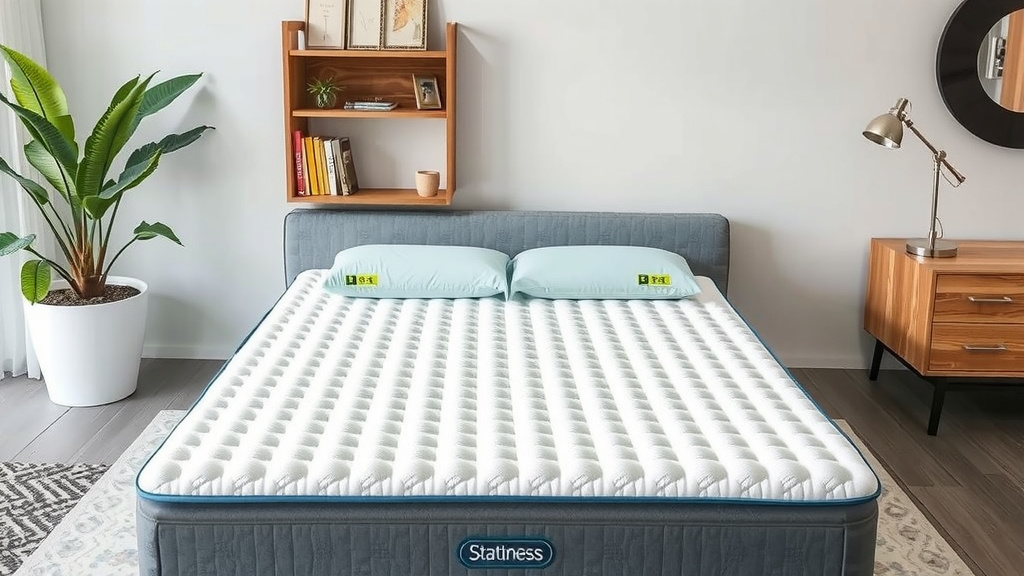
A low air loss mattress uses a system of air bladders. These bladders are designed to inflate and deflate in specific zones. The mattress releases small amounts of air continuously. This is where the “low air loss” name comes from. It’s not about losing air completely, but about controlled release.
This controlled airflow serves two main purposes. First, it helps to redistribute pressure. It does this by gently shifting support zones. Second, it helps manage moisture. By releasing air, it allows some air circulation. This helps keep the skin drier. Keeping skin dry is vital for preventing breakdown.
The Mechanics of Low Air Loss
These mattresses have a series of interconnected air chambers. A control unit manages the air pressure within these chambers. It might cycle through zones or release air at a set rate. This ensures that pressure points are constantly relieved. It’s a more dynamic approach than a static air mattress.
Who Benefits Most from Low Air Loss Mattresses?
Low air loss mattresses are excellent for individuals at high risk of developing pressure injuries. They are also suitable for patients who need pressure relief but can still benefit from some patient movement. They can help manage moisture and shear forces. This makes them a great choice for wound prevention and early-stage wound care.
Comparing Air Fluidized Beds and Low Air Loss Mattresses
While both systems offer advanced pressure management, they differ in their core technology and application. Think of it like this: an air fluidized bed offers deep immersion, while a low air loss mattress offers dynamic support and moisture control.
Pressure Redistribution Capabilities
Air fluidized beds excel at providing a true flotation experience. They create a near-zero pressure environment. This is difficult for other mattress types to match. Many studies show their effectiveness in reducing pressure injury risk.
Low air loss mattresses offer excellent pressure redistribution. However, it’s not the same level of immersion. They rely on dynamic adjustments. This can be very effective for many individuals. They are often considered a step up from standard hospital beds.
Skin Moisture and Climate Control
This is where low air loss mattresses really shine. The continuous, controlled release of air helps with ventilation. This can reduce moisture buildup. Excess moisture is a major factor in skin breakdown. Keeping the skin dry is a key benefit.
Air fluidized beds also offer some air circulation. However, their primary focus is on pressure relief. While they don’t typically trap moisture, they don’t actively manage it like low air loss systems. The fluidized beads can sometimes feel warm to the touch.
Ease of Use and Maintenance
Generally, low air loss mattresses are easier to set up and manage. They often have simpler control panels. Maintenance usually involves checking for leaks and cleaning the surface. They are also often lighter and easier to move.
Air fluidized beds can be more complex. Setting them up requires specific procedures to ensure proper fluidization. They also tend to be heavier and require more specialized cleaning. Their maintenance might need more technical oversight.
Cost Considerations
Air fluidized beds are typically more expensive. This is due to their advanced technology and materials. They represent a higher investment. Insurance coverage can vary widely for these specialized units.
Low air loss mattresses are also an investment, but generally less so than fluidized beds. Their cost falls between standard air mattresses and fluidized systems. Many insurance plans may cover them, depending on medical necessity.
| Feature | Air Fluidized Bed | Low Air Loss Mattress |
|---|---|---|
| Primary Function | Maximum Pressure Redistribution (Floatation) | Pressure Redistribution & Moisture Management |
| Pressure Relief Level | Near-Zero Pressure, Deep Immersion | Dynamic Pressure Relief, Excellent Support |
| Skin Moisture Management | Adequate Airflow | Excellent (Controlled Air Release) |
| Technology | Fluidized Ceramic Beads | Interconnected Air Bladders with Controlled Release |
| Complexity & Weight | Higher, Heavier | Moderate, Lighter |
| Typical Cost | Higher | Moderate |
Making the Right Choice for Your Needs
So, which mattress is right for you or your loved one? It truly depends on the individual’s specific situation. Consider these questions when making your decision.
- What is your mobility level? Very limited mobility often points towards fluidized beds.
- What is the condition of your skin? Are you prone to moisture issues or have existing wounds?
- What is your risk for developing pressure injuries? High risk might require the highest level of protection.
- What is your budget and insurance coverage? Costs can vary significantly.
- What does your healthcare team recommend? Always consult with doctors and nurses.
Many healthcare professionals recommend consulting with a wound care specialist. They can assess your unique needs. They can help guide you to the most appropriate system. Your comfort and skin health are the top priorities in this decision.
Conclusion
Choosing the right air mattress is about matching advanced technology to your unique care needs. Air fluidized beds offer unparalleled pressure relief, creating a “floating” sensation ideal for those with severe mobility issues or existing wounds. Low air loss mattresses provide excellent dynamic support and superior moisture management, making them a fantastic choice for preventing pressure injuries and maintaining skin health in high-risk individuals. We found that considering your mobility, skin condition, and the specific goals of care will guide you to the best option. For personalized advice, always consult your healthcare team to ensure you get the most effective support for your comfort and skin integrity.
Frequently Asked Questions
Can I use an air fluidized bed at home, or are they only for hospitals?
While often seen in clinical settings, air fluidized beds are increasingly available for home use. They do require a dedicated space and understanding of their operation. Your doctor or a medical equipment provider can help determine if a home-use model is suitable for your situation.
How often do I need to adjust or reposition with a low air loss mattress?
One of the main benefits of a low air loss mattress is that it doesn’t require frequent manual repositioning for pressure relief. The system’s automated air adjustments handle much of the work. However, you should still follow your healthcare provider’s guidelines for any necessary patient movement.
Will an air fluidized bed feel cold?
Some users report that the constant airflow in an air fluidized bed can feel cool. Many modern units have temperature control features to help maintain a comfortable warmth. This helps mitigate any potential discomfort from the airflow.
Are low air loss mattresses good for managing incontinence?
Yes, low air loss mattresses are very beneficial for managing incontinence. Their ability to allow controlled air release helps keep the skin surface drier. This reduced moisture is key in preventing skin breakdown associated with incontinence.
What happens if the air pump on either mattress stops working?
Both systems rely on their air pumps. If the pump fails on an air fluidized bed, it will revert to a less effective static mattress. For low air loss mattresses, pump failure means pressure redistribution stops. In either case, you would need to address the pump issue promptly and have a backup plan, such as manual repositioning.