5G EMF Protection Bed Canopy: Does It Work?
So, you’re wondering if a 5G EMF protection bed canopy actually works to shield you from those signals while you sleep? Based on our research, the answer is a bit nuanced: yes, some canopies offer a degree of shielding, but their effectiveness varies greatly. It’s not a simple “yes” or “no.”
Many people are looking for ways to reduce their exposure to electromagnetic frequencies (EMFs). A bed canopy seems like a simple solution for your personal sleeping space. We found that the material and construction quality are key factors in determining how well a canopy blocks EMFs, especially those from 5G networks.
- Bed canopies can offer some EMF protection.
- Effectiveness depends on the canopy’s material and design.
- Shielding performance varies, so look for certified products.
- Consider your specific EMF concerns and expected coverage.
We’ve gathered information to help you understand how these canopies work and what to look for. Let’s break down the science and practicalities behind 5G EMF protection bed canopies.
Blocking EMFs While You Sleep: Do Bed Canopies Work?
You’re probably wondering if a bed canopy can really create a safe haven from those invisible signals. We’ve looked into it, and the short answer is: yes, some canopies can offer a shield. But it’s not as simple as just hanging up a piece of fabric. The effectiveness really depends on the materials used and how the canopy is made.
Think of it like this: you wouldn’t expect a regular mosquito net to stop tiny gnats, right? The same idea applies to EMF protection. The type of material and its weave matter a lot. We found that a canopy needs specific properties to block radiofrequency (RF) radiation effectively, especially from newer technologies like 5G.
How EMF Protection Canopies Work
EMF protection canopies work by acting as a Faraday cage. This is a concept you might have heard of. It’s essentially a metal enclosure that blocks electromagnetic fields. Your canopy uses conductive materials woven into the fabric to achieve this.
The Science Behind Shielding
These canopies are made with special materials. Often, they contain threads of silver, copper, or stainless steel woven into the main fabric. These metal threads create a mesh. When EMF waves hit this mesh, they are either reflected away or absorbed by the conductive material. This prevents a significant portion of the EMFs from reaching you under the canopy.
We found that the effectiveness is measured by something called “shielding effectiveness.” This is usually shown in decibels (dB). A higher dB rating means more EMFs are blocked. For example, a canopy with 30 dB shielding effectiveness blocks about 99.9% of EMFs. That’s a big difference!
What About 5G Specifically?
5G operates on a wider range of frequencies, including higher ones than previous generations. Some of these higher frequencies are more challenging to block. We found that canopies designed for robust EMF protection often use a denser weave or a combination of conductive materials to tackle these signals. Not all canopies are created equal when it comes to blocking the full spectrum of 5G signals.
Key Factors Affecting Canopy Performance
So, what makes one canopy better than another? Several things come into play. You need to look beyond just the “EMF protection” label. The construction and material are absolutely critical.
Material Matters: The Heart of Protection
The types of conductive materials used are crucial. Silver-threaded fabrics are often considered top-tier for their excellent conductivity. Copper is also effective. Stainless steel is another common option, offering good durability.
We found that the density of the weave is just as important as the material itself. A tighter, more uniform weave provides better shielding. Think of it like a chainmail shirt – the closer the links, the better the protection. If there are large gaps in the weave, EMFs can pass through easily.
Construction and Design: More Than Just Fabric
How the canopy is put together makes a difference. Look for seams that are properly shielded. Often, manufacturers will overlap fabric at the seams or use conductive tape to ensure there are no weak spots. A canopy that is fully enclosed is generally more effective than one that leaves large openings.
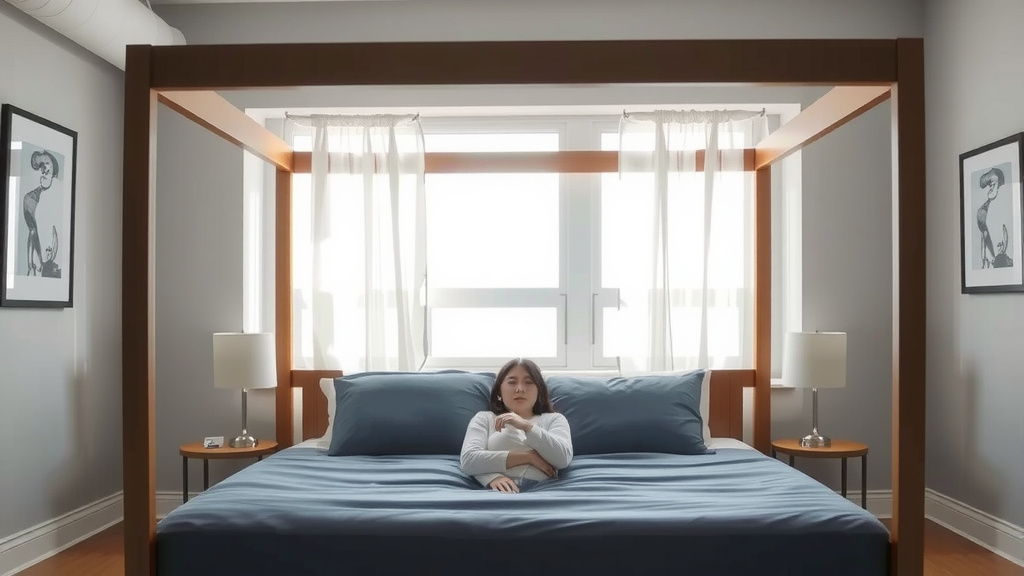
We’ve seen that canopies designed to be tucked in around the mattress offer a more complete seal. This helps create a continuous shield around your sleeping area. A poorly designed canopy might have gaps where EMFs can seep in, reducing its overall effectiveness.
| Material | Pros | Cons | Typical Effectiveness |
|---|---|---|---|
| Silver | Excellent conductivity, naturally antimicrobial | Can be more expensive, may require delicate washing | Very High (often 90-99.9%) |
| Copper | Good conductivity, durable | Can tarnish over time, may have a metallic smell | High (often 80-99%) |
| Stainless Steel | Durable, good conductivity, less prone to tarnishing | Can be heavier, may feel less soft | Moderate to High (often 70-95%) |
Testing and Certification: Proof of Performance
Does the company provide any independent lab testing results for their canopies? We found that reputable manufacturers often have their products tested by third-party labs. These tests measure shielding effectiveness across different frequency ranges. Look for certifications or reports that show specific dB reduction values.
Be wary of vague claims. If a company doesn’t offer concrete data on how well their canopy shields EMFs, it’s a red flag. We recommend looking for products that clearly state their shielding effectiveness and ideally provide documentation to back it up.
What to Consider Before You Buy
Choosing the right EMF protection canopy involves a few practical steps. You want to make sure it meets your needs and expectations.
Your Specific EMF Concerns
Are you primarily concerned about Wi-Fi, cell phone signals, or the growing presence of 5G towers in your area? Some canopies are better at blocking certain frequencies than others. Researching the frequency bands used by 5G in your location might be helpful. We found that canopies with a broad spectrum of shielding are generally the most versatile.
Coverage Area and Fit
How much space do you need to cover? Consider the size of your bed. A canopy that fully encloses your bed and can be tucked in will provide the most comprehensive protection. Think about your sleeping habits too. Do you move around a lot? A well-fitting canopy stays in place.
Maintenance and Durability
These special fabrics require specific care. Washing instructions can vary greatly. Some silver fabrics need to be hand-washed and air-dried to maintain their conductivity. We found that choosing a material that fits your lifestyle and cleaning routine is important for long-term effectiveness.
Cost vs. Effectiveness
EMF protection canopies range in price. Generally, those made with higher-quality materials like silver and those with proven high shielding effectiveness will cost more. It’s a balance. We suggest investing in a product that offers reliable protection based on testing, rather than opting for the cheapest option.
Making an Informed Choice: Your Checklist
Ready to find the right canopy? Here’s a quick checklist to guide your decision:
- Material: Look for silver, copper, or stainless steel threads.
- Weave Density: A tighter weave offers better blocking.
- Testing Data: Seek out products with independent lab results (dB ratings).
- Construction: Check for shielded seams and a full enclosure.
- Fit: Ensure it covers your bed and can create a seal.
- Care Instructions: Make sure you can follow the washing guidelines.
Conclusion
So, do 5G EMF protection bed canopies work? Our research shows that yes, they can offer a degree of shielding, but it’s not a magic bullet. The effectiveness hinges on the canopy’s material, weave density, and construction. Look for products with clear, independent testing data showing their shielding effectiveness in decibels. Don’t settle for vague promises. By considering your specific needs and focusing on quality, you can make an informed choice to help create a more shielded sleep environment. Your next step is to review the checklist we provided and start researching canopies that meet these criteria.
Frequently Asked Questions
How do I know if a canopy is actually blocking EMFs?
You’ll want to look for a canopy that has been tested by an independent third-party lab. Reputable brands will provide reports showing the shielding effectiveness, measured in decibels (dB). A higher dB rating means more EMFs are blocked.
Are all EMF-blocking materials created equal?
No, the materials matter. Silver, copper, and stainless steel are common conductive materials. Silver generally offers the highest conductivity and shielding effectiveness. The weave density of the fabric is also a key factor.
Will a canopy block all EMFs, including 5G?
A well-made canopy can block a significant portion of EMFs. 5G uses a wider range of frequencies, including higher ones, which can be more challenging. Canopies designed with a dense weave and effective conductive materials are usually better equipped to shield against these newer signals.
How do I wash an EMF protection canopy?
Washing instructions vary greatly depending on the material. Silver-threaded fabrics often require delicate hand washing and air drying to maintain their conductive properties. Always check the manufacturer’s specific care guidelines to avoid damaging the shielding fabric.
Can I get a good EMF shield with just one layer of fabric?
The effectiveness depends on the fabric itself. While a single layer can provide shielding, the material’s conductivity and weave density are critical. Some high-quality fabrics can offer substantial protection in a single layer. Ensure seams are properly shielded and the canopy creates a good seal around your bed.