5ft vs 6ft Truck Bed: Right Size for You
Choosing between a 5ft and 6ft truck bed comes down to your hauling needs and daily driving habits. A 5ft bed is generally easier to maneuver and park, making it great for city living. A 6ft bed offers more cargo space, perfect for larger items like furniture or lumber. Your best bet depends on balancing practicality with capacity.
Many truck owners struggle with this decision. You want the flexibility to carry more, but you also need a truck that fits your lifestyle. We found that understanding the real-world differences between these common bed lengths is key. It’s not just about inches; it’s about how those inches affect your everyday use and your ability to tackle weekend projects.
- 5ft Bed: Better for city driving and smaller loads.
- 6ft Bed: More space for larger cargo.
- Consider your daily commute and parking challenges.
- Think about the types of items you’ll haul most often.
- The right size balances hauling capability with maneuverability.
Let’s break down which truck bed size is the right fit for your truck and your life.
Choosing the Right Truck Bed Size for Your Needs
Deciding between a 5ft and a 6ft truck bed is a common dilemma. You want a truck that works for you. This decision hinges on what you plan to haul and how you’ll use your truck daily. Let’s look at the practical differences.
The 5ft Truck Bed: Compact Convenience
A 5ft truck bed, sometimes called a “short bed,” offers a good balance for many drivers. It’s the shortest standard option available on most full-size trucks. Think of it as the nimble dancer of the truck world.
Benefits of a 5ft Bed
The primary advantage is maneuverability. Shorter beds mean shorter overall truck lengths. This makes parking a lot easier, especially in tight city spots or crowded parking garages. You’ll likely find it simpler to navigate narrow streets and make three-point turns.
Many owners find that this size fits their lifestyle perfectly. If your truck spends most of its time commuting or running errands, the 5ft bed is a smart choice. It feels less like a large vehicle and more like a capable daily driver.
What Can You Haul in a 5ft Bed?
Don’t underestimate what a 5ft bed can carry. You can still fit plenty of common items. For weekend warriors, this means you can haul bikes, camping gear, or bags of mulch for your garden. It’s also great for hauling smaller furniture pieces.
However, there are limitations. Full sheets of plywood or lumber might not fit flat without sticking out. You’ll often need to tie down items that extend beyond the tailgate. This requires a bit more planning and securing.
We found that for items longer than about 6 feet, you’ll want to plan for them to overhang. This could be anything from lumber to kayaks. Always ensure these items are properly secured and visible.
The 6ft Truck Bed: Extended Capability
A 6ft truck bed, often referred to as a “standard bed,” offers more room to work with. It’s a step up in cargo capacity from the 5ft option. This is the versatile workhorse.
Advantages of a 6ft Bed
The most obvious benefit is the extra cargo space. That extra foot makes a significant difference when hauling larger items. You can fit more furniture, building materials, or recreational gear without as much concern about overhang.
For those who regularly tackle home improvement projects or run a small business, the 6ft bed can be a game-changer. It reduces the need for multiple trips or renting a trailer. You can simply load it up and go.
We found that projects involving materials like 8-foot lumber are much more manageable. You can often lay them flat with the tailgate up, which is safer and more convenient. This is a big plus for DIYers.
What You Can Haul in a 6ft Bed
This bed length is excellent for transporting items like appliances, larger pieces of furniture, or multiple motorcycles. If you’re moving or doing a major renovation, the extra length is incredibly useful. You can get more done in fewer loads.
Think about motorcycles. Most street bikes and many dirt bikes can fit comfortably with the tailgate down. This makes transport much easier for hobbyists or for taking your bike to a track day.
The Trade-offs of the 6ft Bed
The extra length does come with a trade-off: a longer overall vehicle. This means a larger turning radius and more difficulty parking in tight spaces. If you live in a dense urban area, you might find yourself looking for parking spots more often.
The longer wheelbase can also affect maneuverability on narrow trails or off-road situations. While trucks are designed for this, a shorter truck often feels more agile in challenging environments.
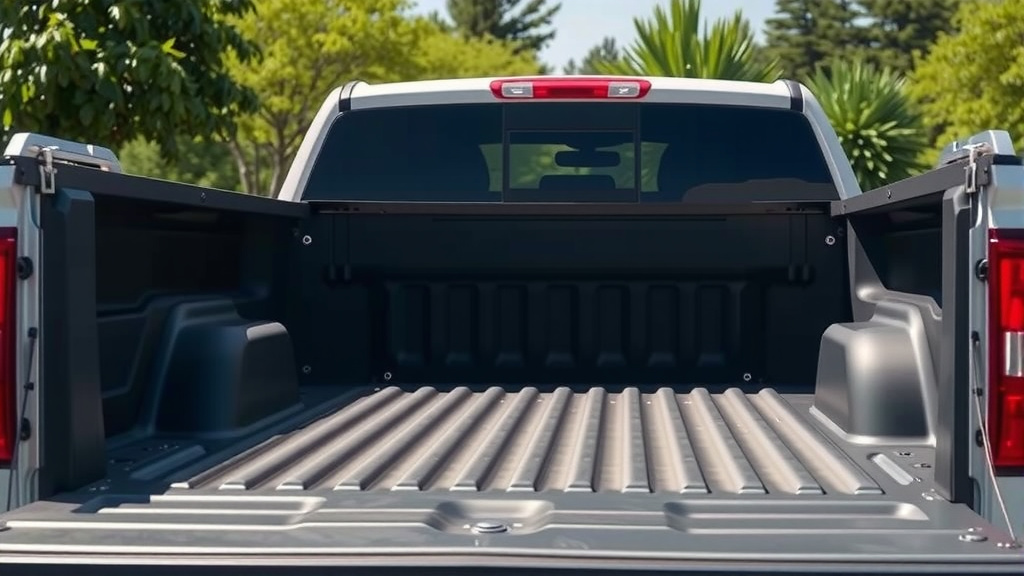
Comparing 5ft and 6ft Beds: Key Differences
Let’s break down the key differences in a simple comparison. This table highlights how the bed length impacts your truck.
| Feature | 5ft Bed | 6ft Bed |
|---|---|---|
| Overall Length | Shorter vehicle | Longer vehicle |
| Cargo Volume | Less space | More space |
| Maneuverability | Easier parking, tighter turning | Wider turning radius, harder parking |
| Hauling Long Items | Often requires tailgate down | Can often fit with tailgate up |
| Best For | City driving, daily errands, moderate loads | Heavy hauling, large items, frequent projects |
Impact on Towing and Payload
Interestingly, the bed length itself doesn’t directly dictate your truck’s towing capacity or payload. These figures are more closely tied to the truck’s chassis, engine, suspension, and trim level. However, a longer bed often means a longer wheelbase, which can sometimes offer a slight advantage in towing stability.
It’s wise to check your specific truck’s towing and payload ratings regardless of bed length. These numbers are critical for safe operation. You can usually find them in your owner’s manual or on a sticker inside the driver’s doorjamb.
Making the Right Choice for You
So, which one is the winner? It truly depends on your lifestyle. Think about your typical week and your weekend adventures. Ask yourself these questions:
- How often do I drive in crowded city environments?
- What are the parking situations like where I live and work?
- What are the largest items I typically need to transport? (e.g., lumber, furniture, bikes)
- Do I frequently help friends move or undertake large DIY projects?
- Is fuel efficiency a major concern? (Shorter trucks can sometimes be slightly more efficient).
Consider Your Daily Driving Habits
If your truck is primarily for commuting, picking up groceries, and the occasional trip to the home improvement store for smaller items, the 5ft bed is likely your best bet. You’ll appreciate the easier handling and parking. Many modern families find this size perfectly adequate.
Consider Your Hauling Needs
If you envision using your truck as a true utility vehicle, for serious work or recreation, the 6ft bed offers more versatility. You’ll have the peace of mind knowing you can carry larger loads when needed. This is especially true if you need to carry full sheets of building materials or larger recreational equipment.
A Quick Checklist for Your Decision
To help you decide, run through this quick checklist. Tick off what applies to you:
- City dweller: 5ft bed is easier.
- Frequent large item hauler: 6ft bed is better.
- Tight parking spaces: Lean towards 5ft.
- Weekend project enthusiast: Consider 6ft.
- Need to carry 8ft lumber flat: 6ft is the choice.
- Prioritize maneuverability: Go with 5ft.
Ultimately, both bed lengths are very capable. The “right” size is the one that aligns best with your personal needs and avoids causing you daily frustration. We found that understanding these core differences helps owners feel confident in their choice.
Conclusion
Deciding between a 5ft and 6ft truck bed boils down to your specific needs. You’ve seen how the 5ft bed shines with its city-friendly maneuverability and ease of parking. It’s great for daily errands and smaller loads. On the other hand, the 6ft bed offers that essential extra cargo space for larger projects and hauling needs, making it more versatile for work or recreation. Don’t let the inches confuse you; focus on how each length fits your lifestyle. Before you buy, visualize your typical cargo and your common parking spots. Make that choice with confidence, knowing you’ve picked the bed that best suits your driving habits and hauling requirements.
Frequently Asked Questions
Will a 5ft truck bed fit my needs if I live in a busy city?
Yes, absolutely. A 5ft truck bed is often the better choice for city living. Its shorter overall length makes it much easier to navigate tight streets and find parking spots. You’ll appreciate the reduced stress of maneuvering a less bulky vehicle in urban environments.
How much difference does 1 foot of bed length actually make?
That extra foot in a 6ft bed can make a substantial difference for hauling larger items. It often allows you to carry 8-foot materials like lumber or drywall with the tailgate closed. For bulky items like appliances or furniture, that space can mean the difference between fitting it all in one trip or needing two.
Can I still haul bikes or camping gear in a 5ft truck bed?
You certainly can. Bikes often fit with the tailgate down, and camping gear usually fits with careful packing. You might need to use tie-downs to secure items that extend beyond the tailgate. For most weekend adventures with standard gear, a 5ft bed is usually sufficient.
Does bed length affect my truck’s towing capacity?
No, the bed length itself does not directly determine your truck’s towing or payload capacity. These figures are primarily based on the truck’s chassis, engine, suspension, and specific configuration. Always check your truck’s owner’s manual for accurate ratings.
Which bed length is generally better for fuel efficiency?
Typically, a shorter truck with a 5ft bed will be slightly more fuel-efficient than a truck with a 6ft bed. This is because the shorter wheelbase and overall length often translate to less weight and better aerodynamics. However, the difference may be minimal, and driving habits play a larger role.