2 Single Beds vs King: A Complete Guide to Choosing Your Perfect Sleep Setup
Have you ever stood in a furniture store, staring at different bed options and wondering which one actually makes sense for your space and lifestyle? You’re not alone. The decision between pushing two single beds together versus investing in one king-size bed is more nuanced than most people realize. Let me walk you through everything you need to know to make an informed choice.
Understanding the Basics: What Are We Actually Comparing?
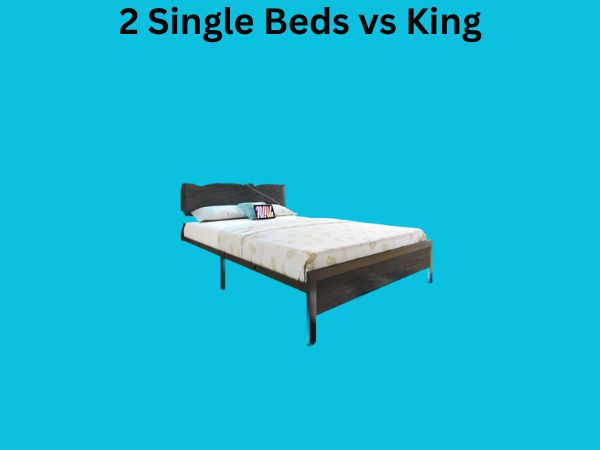
Before we dive deep into the pros and cons, let’s establish what we’re talking about. A standard single bed, also known as a twin bed in North America, measures 38 inches wide by 75 inches long. That’s roughly the size of a narrow sleeping space designed primarily for one person. A king-size bed, on the other hand, stretches 76 inches wide by 80 inches long. That’s significantly more spacious and designed for couples or individuals who appreciate extra room.
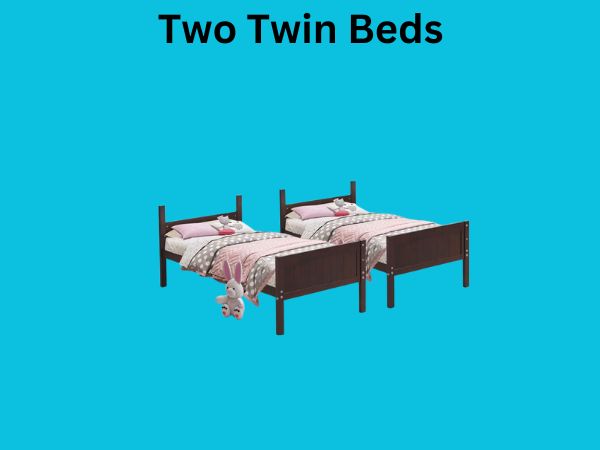
Now here’s where it gets interesting. When you place two single beds side by side, you’re technically creating a sleeping surface that measures 76 inches wide by 75 inches long. That’s almost identical in width to a king bed but slightly shorter in length. Seems close, right? But the devil is in the details.
The Dimensions Game: Numbers Don’t Tell the Whole Story
Single Bed Dimensions Explained
A single bed is intentionally narrow. It’s meant to fit snugly into smaller bedrooms and dorm rooms. When you’re sleeping alone, that’s perfectly adequate. But push two of them together, and you’re essentially creating a makeshift larger bed. The problem? There’s often a visible and uncomfortable gap or ridge running down the middle where the two mattresses meet.
King Bed Dimensions and the Advantage of Unified Construction
A king bed is a single, unified mattress construction. This means there’s no gap, no ridge, and no separated sleeping surfaces. You get a continuous, seamless sleeping area. Think of it like the difference between pushing two puzzle pieces together versus having one piece that’s already complete. One feels cohesive; the other feels like a workaround.
The Space Question: Do Two Singles Really Equal a King?
Width Comparison and What It Means for Couples
Mathematically, two single beds pushed together give you the same width as a king bed. Each single bed is 38 inches, so two equal 76 inches. A king bed is also 76 inches wide. So far so good, right? But here’s what matters: on a king bed, you and your partner are sharing that 76-inch width without any obstruction. On two singles, you each have 38 inches, and there’s a potential barrier between you.
For couples who like to snuggle or those who shift around during sleep, this distinction becomes crystal clear. You might find yourself naturally gravitating toward your own side of the bed on the twin setup, whereas a king encourages more movement and flexibility.
Length Considerations and Why Taller Folks Care
Here’s where two singles start to show their weakness. A single bed is 75 inches long, while a king is 80 inches long. That’s a 5-inch difference. For someone who’s 6 feet tall or taller, those inches matter. Two singles lined up give you 75 inches of total length. A king gives you 80 inches. If you’re a tall sleeper, that extra length prevents your feet from hanging off the edge or feeling cramped.
Cost Analysis: What’s Your Budget Actually Buying?
The Price of Two Single Beds and Setup
Let’s talk money because this is often the deciding factor. A quality single bed frame typically costs between $150 and $400, depending on materials and construction. Add in two quality mattresses—usually priced at $200 to $600 each—and you’re looking at a total investment of roughly $700 to $1,600 for two singles with basic frames and decent mattresses.
But wait, there’s more to consider. You’ll need two separate sets of sheets, two pillows per person if each person wants their own, potentially two different mattress firmness levels if you have different preferences, and two bed frames that need assembly, maintenance, and eventually replacement.
The King Bed Investment and Long-Term Value
A king-size bed frame runs anywhere from $300 to $800 depending on style and construction quality. A king mattress typically costs $400 to $1,200 for something respectable. So you’re looking at roughly $700 to $2,000 as a starting investment. Yes, that’s potentially more expensive upfront than two singles.
However, consider the long-term view. You’re buying one unified system. You need one set of king sheets, one king mattress, one frame. If you move, upgrading is simpler because you’re replacing one item, not two. Over a decade, when you factor in replacing worn-out items, two singles might actually cost more due to doubling up on everything.
The Comfort Factor: How Your Sleep Actually Feels
Motion Transfer and What Happens When Your Partner Moves
Imagine you’re sleeping peacefully, and your partner rolls over at 3 AM. On two single beds pushed together, if they’re not using the best box springs or frame setup, you might feel that movement transfer across the gap or weak connection between beds. On a king bed with quality construction, modern memory foam mattresses absorb motion effectively, and you barely notice your partner shifting around.
For light sleepers or those who share a bed with someone who’s restless, this is genuinely important. The unified surface of a king bed simply performs better in motion isolation than two separate singles.
Personal Sleep Space and the Psychology of Separation
There’s something psychological about sharing a bed versus occupying two adjacent beds. On a king, you might unconsciously roll toward your partner because there’s nothing stopping you. On two singles, there’s a psychological and physical barrier. Some couples actually prefer this. If you value personal space or sleep hot and want to avoid physical contact with your partner, two singles might feel more comfortable despite the practical downsides.
Practicality: Room Size and Furniture Arrangements
Small Bedroom Scenarios Where Two Singles Win
Let’s be realistic about bedroom sizes. Some homes, especially apartments or guest rooms, have genuinely tight spaces. Two single beds can be arranged in ways that a king simply cannot. You could position two singles on different walls, creating sleeping spots for guests. You could push them together when needed and separate them for other purposes. This flexibility is valuable in smaller living situations.
If your bedroom is under 10 by 12 feet, two singles might actually be the practical choice that allows you to fit a dresser, nightstands, and still have walking space.
Master Bedroom Considerations and When a King Makes Sense
In a generous master bedroom, a king bed becomes the obvious choice. It’s the centerpiece that fills the space appropriately without making the room feel cramped. You can position nightstands on either side, add a bed bench at the foot, incorporate reading nooks, and create a genuinely luxurious sleeping environment. Two single beds in a large bedroom can actually make the space feel awkward and unbalanced.
The Guest Room Dilemma: A Special Consideration
Guest rooms create an interesting scenario. Some hosts swear by two singles because they can accommodate two guests comfortably or one guest with the flexibility of separation. Others prefer a king because it’s more luxurious for individual guests and works perfectly for couples visiting.
If you’re someone who frequently hosts, think about your typical guests. Do you often have solo visitors, or do couples visit more frequently? This answer should influence your decision.
Sheet Availability and Bedding Challenges
Finding the Right Sheets for Your Setup
This might sound minor, but it’s genuinely frustrating. King-size bedding is everywhere. Department stores, online retailers, discount shops—everyone stocks king sheets in abundant colors and patterns. Single bed sheets are widely available too, but finding matching sets for two singles that look cohesive can be annoying.
When you buy king bedding, you’re getting one coordinated set that’s guaranteed to fit your mattress. With two singles, you’re hunting for two matching sets that work together aesthetically and functionally. Over time, one set wears out faster than the other, and now you’ve got mismatched bedding.
Comforters, Duvet Covers, and the Coordination Challenge
Want a nice duvet cover? King-size options are plentiful and reasonably priced. Twin duvet covers exist, but they’re often less stylish and sometimes harder to find in premium quality. You’ll be buying two duvets instead of one, storing twice the bedding in your closet, and managing double the laundry load.
Durability and Mattress Replacement: A Long-Term View
How Long Do Mattresses Actually Last?
Most quality mattresses last 7 to 10 years before they start sagging and losing support. When your king mattress reaches the end of its life, you replace one mattress. When one of your two single mattresses wears out, what do you do? You can’t use a brand-new single mattress with a 7-year-old one because the firmness and support will be different. You’ll likely replace both, doubling your replacement cost.
This might seem like a minor point, but over 20 years of sleeping, the financial implications of maintaining two mattresses versus one are significant.
Separating Beds Later: Flexibility and Future Needs
Here’s an angle many people don’t consider. You purchase a king bed as a couple. Then life happens. You separate, divorce, or simply decide you want independent sleeping spaces. A king bed becomes problematic in a new living situation. You might not have room for it, and it’s expensive to replace or sell.
With two singles, separation is literally built in. You can take one bed to a new apartment, keep both in separate rooms, or pass them along easily. There’s inherent flexibility that a king bed doesn’t offer.
Partner Compatibility: When Bed Choice Becomes a Relationship Issue
Different Sleep Schedules and the Disturbance Factor
If your partner works nights and you work days, sharing a king bed means constant disturbance when they’re getting in and out. Two singles can be positioned with some separation, reducing impact. Additionally, if one partner is significantly heavier, their side of the bed might sag differently on a king, creating a slight slope. Two singles with individual support mean each person gets matched support for their body weight.
Temperature Regulation and Blanket Wars
One person wants the bedroom arctic, the other wants it tropical. One person burrows under three blankets, the other uses none. On a king, these differences create tension and sleep disruption. With two singles, each person can have their own blankets, temperature control, and setup. This is actually a significant advantage for incompatible sleepers.
Cultural and Regional Preferences
Interestingly, bed preferences vary globally. In some European countries, couples traditionally use two separate single beds pushed together with a divider or gap—precisely the setup we’re discussing. In North America, the king bed has become the standard for couples. Understanding these cultural norms can help you recognize that either choice is valid depending on your lifestyle and preferences.
Making Your Decision: A Practical Framework
So how do you actually choose? Consider these factors in order of importance to you:
- Budget: Can you afford a king bed, or does two singles fit better within your financial constraints?
- Room size: Do you have adequate space for a king, or would two singles make better use of your bedroom layout?
- Sleeping arrangements: Do you sleep alone, with a partner, or host guests frequently?
- Height: Are you or your partner taller than average and needing that extra 5 inches of length?
- Sleep compatibility: Do you and your partner have compatible sleeping needs, or would separation help both sleep better?
- Lifestyle flexibility: Do you anticipate needing to separate beds in the future?
- Comfort priority: Is motion isolation and a seamless surface important, or do you prefer personal sleeping space?
Compromise Solutions Worth Considering
California King Alternative
If you want the length of a king without the full width, a California king measures 72 inches wide by 84 inches long. It’s narrower but longer—perfect for tall individuals who don’t need the extra width.
Bed Bridge Solution
If you’ve already committed to two singles, a bed bridge is an inexpensive device that fills the gap between mattresses, creating a seamless sleeping surface. It’s not a perfect solution, but it eliminates the ridge that makes two singles feel separated.
Premium Box Spring Setup
Using a sturdy platform bed frame with quality box springs under two singles can minimize sagging and gaps. It’s not identical to a king, but it improves the experience significantly.
The Environmental Perspective
Choosing one king bed versus two singles also has environmental implications. Manufacturing, shipping, and eventually disposing of two mattresses creates more waste than one. If sustainability matters to you, a king bed is the more environmentally conscious choice because you’re buying less material overall.
Trying Before You Buy: A Smart Approach
The best decision comes from personal experience. Visit mattress stores and actually lie on both options. Sleep on them with your partner if possible. Notice how the surface feels, how motion transfers, and whether you feel cramped or comfortable. Your body’s response is far more reliable than specifications on a sheet.
Some retailers offer trial periods, allowing you to sleep on a bed for 30 or 60 days before committing fully. This removes guesswork from the equation.
Conclusion
The choice between two single beds and a king is fundamentally about matching your sleeping situation to your lifestyle, budget, and personal preferences. Neither option is universally superior—they’re just different tools for different people.
A king bed offers seamless comfort, space for couples, and long-term value. It’s the luxury option that works beautifully in spacious master bedrooms where two people will consistently sleep together. It eliminates gaps, provides length for tall sleepers, and simplifies bedding purchases.
Two single beds provide flexibility, affordability, and practical solutions for smaller spaces, incompatible sleepers, or situations requiring adaptability. They can be separated when needed, arranged creatively, and replaced individually if one wears out.
Take time to evaluate your actual sleeping situation, not the theoretical ideal. Consider your bedroom dimensions, your body size, whether you sleep alone or with a partner, and what your sleeping challenges are right now. Your answer will become clear once you honestly assess these factors. Whichever you choose, invest in quality construction and a comfortable mattress—that’s what truly matters for good sleep.
Frequently Asked Questions
Can you fit two single mattresses on a king-size frame?
Technically no, and you shouldn’t attempt this regularly. Two single mattresses are 38 inches wide each, totaling 76 inches. A king frame is 76 inches wide, leaving essentially no room for two mattresses side by side without them jamming together or warping the frame. Additionally, two single mattresses won’t provide the support or stability that a king mattress engineered for that frame would offer. The gap in the middle where the frame shows would create uncomfortable spots, and the mattresses might slip off the edges.